Barbuda pink sand beach guide for luxury‑minded families
Barbuda sits about 43 kilometres north of Antigua, a low coral island where the first sight of beach pink against turquoise water feels almost unreal. For families used to polished Caribbean resorts, this guide explains why the island’s sand beaches remain beautifully raw and why that matters for a premium stay. The focus is on how to reach this shoreline from Antigua Barbuda, where to sleep in comfort and how to keep the experience gentle on both children and the island.
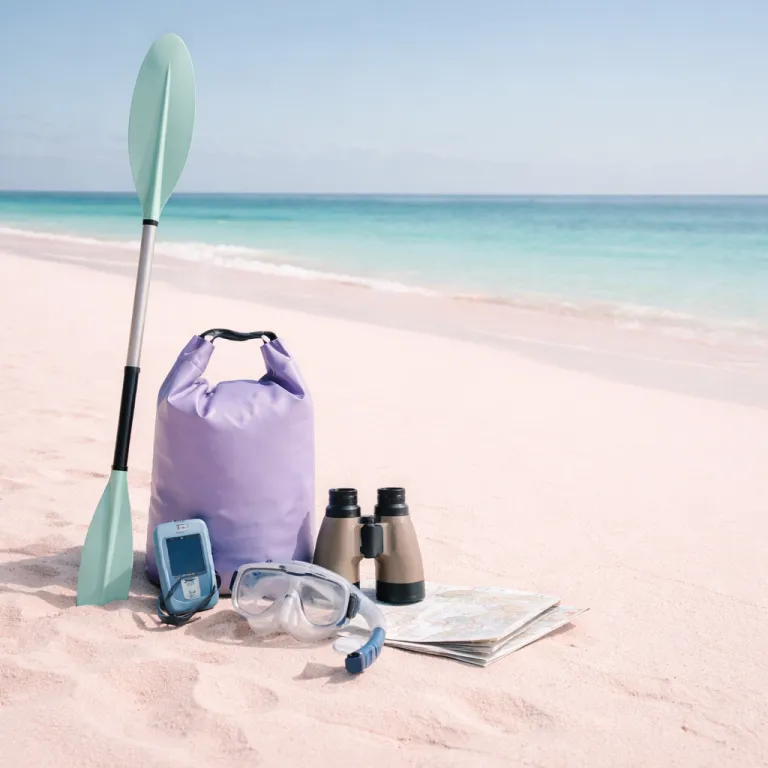
The pink sand itself comes from tiny pink foraminifera, microscopic marine organisms whose crushed shells mix with pale coral sands to create a soft rose tint along the shore. On a clear day the pink sand and the wider pink beach glow most strongly in the low morning and late afternoon light, when the sun sits lower and the sea reflects fewer harsh highlights. Early or late in the day you will notice bands of pink shells at the high tide line, a subtle reminder that every tide reshapes Barbuda’s sand beaches grain by grain.
Most visitors base themselves in Antigua, then plan a day trip or overnight to reach the best beach Barbuda offers for solitude. This pink‑sand escape is best treated as part of the luxury, because the limited infrastructure and the memory of Hurricane Irma’s impact still shape what you will and will not find on arrival. Expect a beautiful island that feels more like a national park than a resort, with long mile beach stretches, few buildings and a calm that rewards families who value space over spectacle.
How to get from Antigua to Barbuda’s pink shoreline
For most travellers the Barbuda Express ferry is the most practical bridge between Antigua and Barbuda, linking St John’s to Codrington in about ninety minutes across open Caribbean water. Official guidance from the operator and the Antigua and Barbuda Tourism Authority is consistent: take the scheduled 90‑minute ferry from Antigua and reserve seats ahead of time, because sailings can fill quickly in peak travel periods and weather sometimes disrupts the timetable. Families should treat the ferry as a mini coastal cruise, watching for birds and flying fish while children learn how different this low island looks from Antigua’s volcanic hills.
Online booking now makes it easier to secure Barbuda Express tickets before you even leave your hotel in St John’s, and premium properties will often arrange transfers to the harbour on request. As of early 2024, a standard adult return fare typically starts around US$120–140, with reduced rates for children; the latest schedule and prices are published directly by the ferry company so you can verify details before travelling. A return ferry day trip usually allows five to six hours on the island, enough time to reach Pink Beach, swim, walk along the sands and visit the bird sanctuary if you move efficiently. Private boat charters and small aircraft flights from Antigua’s airport cost more but give you control over departure time, which can be valuable if you want to see the pink sand at both sunrise and sunset.
Once you dock in Codrington, local guides can drive you by 4x4 to the main pink beach Barbuda coastline, or to quieter stretches such as the area widely known as Princess Diana Beach near Low Bay. Many families pair a half day on the sand with a simple beach bar lunch, then finish with a boat ride into the lagoon to see frigate bird colonies wheeling above the mangroves. If you are still choosing where to stay in Antigua before or after Barbuda, our guide to the best beach in Antigua for a luxury hotel stay will help you match the right bay beach to your family’s style.
What to expect on arrival in Codrington and along the coast
Codrington is Barbuda’s only town, a quiet grid of streets where daily life still revolves around fishing, small shops and the lagoon rather than tourism. Hurricane Irma left deep marks here in 2017, and while many homes and guesthouses have been rebuilt with support from regional agencies and NGOs, the island’s infrastructure remains intentionally light, with limited restaurants, no large supermarkets and only a handful of places to stay. For luxury travellers used to Antigua’s polished marinas and resort villages, this pink sand beach guide is a reminder that the island’s charm lies in what is absent as much as what is present.
From Codrington, guides will usually take you across the lagoon by small boat or along sandy tracks to reach the long sand beaches on the west coast. The most famous stretch, often called Pink Beach or simply the pink sand beach Barbuda is known for, runs for roughly 13 kilometres with almost no development, so you should bring water, sun protection and any snacks your children might need. Facilities are minimal by design, which keeps the sands pristine and the water clear, but it also means that a family used to full service resorts must plan their day with more care.
Premium travellers who want to stay overnight rather than rush a day trip can choose from a short list of intimate properties, including the eco focused Barbuda Belle on the northern bay and a few small guesthouses closer to Codrington. These places trade kids clubs and elaborate spas for direct access to sand beaches, attentive local hosts and boatmen who know every curve of the bay beach and every sand bar. One Barbuda guide summed it up simply in a 2023 tourism board interview: “We don’t have big resorts yet, but we have time, space and sea.” For a broader view of how these stays compare with high end options across the twin islands, see our overview of the luxury hotels in Antigua and Barbuda that define each coast.
Reading the sand : where the pink is strongest and why it matters
The pink sand that gives Barbuda’s shoreline its reputation is most visible where crushed coral and foraminifera shells concentrate along the waterline, especially after calm nights. On some days the effect is subtle, a faint blush where the waves retreat, while on others the entire sand beach seems washed with a soft rose tone that contrasts beautifully with the blue Caribbean Sea. This guide recommends timing your visit for early morning or late afternoon, when lower sun angles and fewer footprints reveal the tiny pink grains most clearly.
Families often ask which specific stretch of coast offers the best pink beach experience, and the honest answer is that conditions shift with wind, tide and recent swell. The long mile beach near Low Bay, sometimes called Princess Diana Beach or Diana Beach in honour of Princess Diana’s quiet holidays here, often shows strong colour because the sands are fine and the lagoon protects them from heavy surf. Walk a few hundred metres in either direction and you may find bands of pink shells and tiny pink fragments that children love to collect, though you should leave them in place to protect the ecosystem.
On calm days the water at this bay beach is usually gentle enough for supervised family swimming, with a gradual foot friendly slope and clear visibility for spotting fish. When trade winds strengthen, waves can build quickly, so always check with your boat captain or guide before letting children roam far along the sand beaches. The lack of crowds means you can frame your own perfect view, whether that is a quiet picnic, a long walk hand in hand or simply watching birds skim the surface as the sky turns gold.
Frigate Bird Sanctuary, sustainable stays and Barbuda’s changing future
No serious Barbuda beach guide would ignore the island’s other natural icon, the Frigate Bird Sanctuary in Codrington Lagoon. This protected bird sanctuary hosts one of the largest colonies of the magnificent frigate bird in the Western Hemisphere, with thousands of Barbuda frigate males inflating scarlet throat pouches during the breeding season, as documented by the Antigua and Barbuda National Parks and regional conservation groups. Local boatmen navigate the mangrove channels quietly, cutting the engine so families can listen to the calls and watch birds wheel overhead without disturbing nests.
Many visitors pair a morning at the frigate bird colony with an afternoon on Pink Beach, creating a full day that balances wildlife with sand and sea. The best time to visit for optimal pink sand visibility is still early morning or late afternoon, so a common pattern is to sail into the lagoon at first light, then head to the sand beaches once the sun has risen higher. Facilities on the main shoreline remain limited; bring essentials like water, snacks and sun protection, especially for families with young children who may tire quickly in the heat.
Looking ahead, the planned Nobu Beach Inn near the famous pink beach has been announced by the Antigua and Barbuda government and Nobu Hospitality, with early site works reported in local media but no confirmed public opening date at the time of writing in 2024. For now, though, Barbuda still feels like a national park more than a resort island, and sustainable travel choices — from using local guides to respecting nesting birds and leaving the sands untouched — help keep it that way. To understand how regional tourism shifts may influence Barbuda over time, our analysis of the Caribbean travel marketplace’s return to Antigua explores what increased demand could mean for these fragile shores.
Planning a family friendly luxury stay around Barbuda’s pink sands
For premium families, the art of using this Barbuda travel guide lies in balancing comfort in Antigua with immersion in Barbuda’s wild beauty. Many travellers choose a high end resort on Antigua’s west coast bay beaches, then slot in a Barbuda Express ferry day or an overnight at Barbuda Belle to experience the island’s sand beaches without sacrificing service. This twin island strategy lets children enjoy pools and kids clubs on Antigua while still spending unstructured time on Barbuda’s pink sand, where the only entertainment is the sea, the sky and the birds.
When planning your itinerary, think in terms of energy rather than just days, especially if you are travelling with younger children or older relatives. A typical pattern is to arrive in St John’s, settle into your Antigua hotel for two or three nights, then take the ferry or a small plane to Codrington for a focused pink beach experience before returning to Antigua for a final night. This rhythm gives everyone time to adjust to the Caribbean climate, reduces the stress of early morning departures and ensures that your day on the sand beach feels like a highlight rather than a logistical challenge.
Whatever shape your trip takes, remember that Barbuda’s appeal lies in its space, its silence and its sense of being almost alone on a beautiful island edge. Hurricane Irma reminded residents and visitors alike how fragile that balance is, and sustainable choices today — highlighted in post‑storm assessments by organisations such as the Caribbean Disaster Emergency Management Agency — will determine whether future families still find mile beach stretches of untouched pink sand and undisturbed birds. Travel here with respect, support local guides in Codrington, tread lightly on the sands and you will leave with something rarer than any resort amenity : the memory of a Caribbean shoreline that still feels genuinely secluded.
FAQ about Barbuda’s pink sand beaches
How do I get to Barbuda’s pink sand beaches from Antigua ?
The most common route is the Barbuda Express ferry from St John’s, which usually takes about ninety minutes each way in normal sea conditions. Small aircraft charters from Antigua’s airport and private boat transfers are faster but significantly more expensive, so most families find the scheduled ferry the best balance of cost and comfort. Whatever option you choose, book in advance and allow enough time on Barbuda to reach Pink Beach and return safely before dark.
When is the best time of day to see the pink colour in the sand ?
The pink hue is strongest in the early morning and late afternoon, when the sun sits lower and the light is softer across the sand. At these times the crushed shells and coral fragments that create the pink sand reflect more colour, especially along the waterline where waves have recently washed the grains clean. Midday visits are still beautiful, but the bright overhead light can make the tint appear less intense in photographs.
Are there restaurants and facilities on Barbuda’s Pink Beach ?
Facilities on the main pink beach are very limited, with only a few simple beach bars or seasonal shacks operating at certain points along the coast. There are no large restaurants, supermarkets or changing complexes directly on the sand, so visitors should bring water, snacks and sun protection from Codrington or from Antigua. This lack of infrastructure keeps the shoreline quiet and unspoiled, but it does require more advance planning, especially for families.
Is Barbuda suitable for a family day trip or should we stay overnight ?
A well planned day trip from Antigua works for many families, particularly if children are comfortable with a ninety minute ferry each way and a full day outdoors. Staying overnight on Barbuda, however, allows a slower pace, sunrise and sunset walks on the pink sand and more flexibility if weather or sea conditions change. The choice depends on your children’s ages, your budget and how central the pink beach experience is to your overall Caribbean itinerary.
Can I combine a visit to the Frigate Bird Sanctuary with time on the beach ?
Yes, many local guides in Codrington offer combined excursions that include a boat trip into the Frigate Bird Sanctuary and several hours on Pink Beach. A typical schedule is to visit the bird sanctuary in the cooler early morning, then head to the sand beaches for swimming and walking once the sun is higher. This combination gives a rich sense of Barbuda’s wildlife and coastline in a single, carefully structured day.