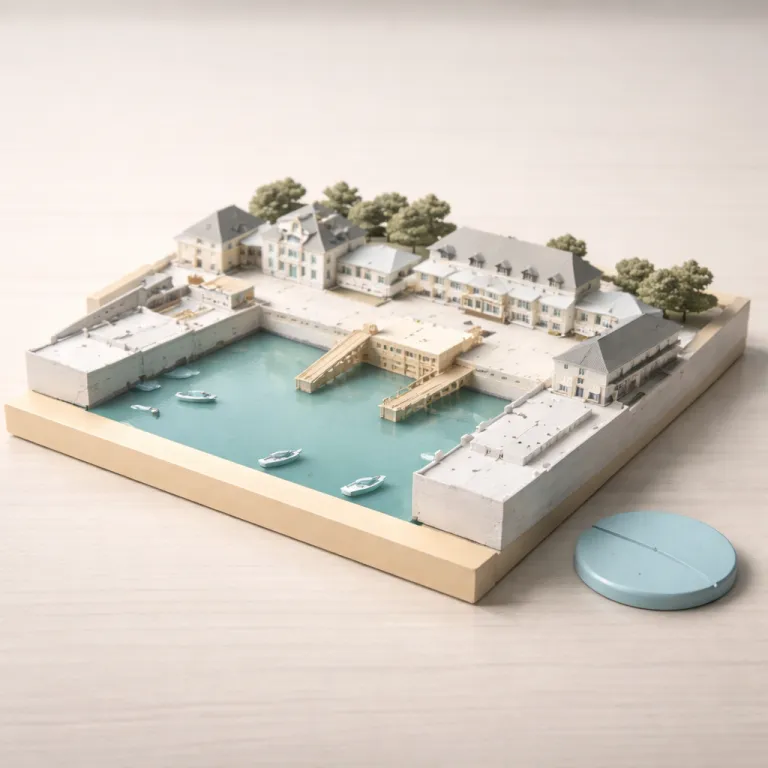
Why Nelson’s Dockyard matters for luxury travelers
Nelson’s Dockyard is not just another pretty harbour stop but a working historic seaport. This Georgian naval base in Antigua is widely described as the world’s only fully operational Georgian dockyard, and walking through Nelson’s Dockyard National Park means moving through layered maritime history while superyachts idle quietly at their berths. The dockyard was originally built for the Antigua naval command of the British Empire, and the same stone walls now frame cocktail bars, galleries and refined guesthouses that appeal to travelers who prefer heritage over high-rise.
For luxury guests, the appeal lies in contrast. You can step from a polished teak deck into a former naval storehouse where the British Navy once planned campaigns, then return to your hotel spa before sunset over English Harbour. The wider national park landscape links restored buildings, walking trails and archaeological sites that tell the story of Antigua and Barbuda as a strategic Caribbean stronghold; in 2016, UNESCO inscribed the “Antigua Naval Dockyard and Related Archaeological Sites” on the World Heritage List, recognising the exceptional preservation of this historic harbour and its defensive system.
This is also where the story of Lord Nelson becomes tangible. As a young officer of the Royal Navy, Nelson served in this naval dockyard, and his presence still shapes how guides frame the narrative for visitors. The dockyard complex, together with nearby forts and Dow’s Hill, forms one of the best preserved heritage ensembles in the region, which is why discerning travelers now plan entire day itineraries here rather than a quick photo stop. As the National Parks Authority notes in its visitor brochure, “English Harbour remains one of the finest natural anchorages in the Caribbean,” and the dockyard is its historic heart.
A slow, self guided circuit through the dockyard
Most visitors rush through Nelson’s Dockyard in under an hour. To experience this UNESCO-listed harbour properly, plan at least half a day and treat it as a layered urban walk rather than a single monument. Start at the main gate of the dockyard, where the National Parks Antigua ticket office orients you with maps, current cultural programming and practical information; ticket structures and prices change periodically, so use the posted board or official website to confirm current entry fees and inclusions. Opening hours usually run from 8:00 a.m. to 6:00 p.m., but it is wise to verify locally. From here, move slowly along the waterfront to feel how the English Harbour basin still functions as a working marina.
From the entrance, step into the Dockyard Museum, housed in the former naval officers’ quarters that were built for the Antigua naval command and the Royal Navy hierarchy. Exhibits explain how HMS warships were careened, repaired and supplied, and how the British Navy used this protected harbour to control regional trade routes. This is also where you will see references to the wider network of fortifications, including Fort Berkeley at the harbour mouth and the artillery positions above Galleon Beach, which together defended one of the Caribbean’s most strategic sites; allow at least 30 to 45 minutes here if you enjoy detailed maritime history.
After the museum, wander the inner courtyard and pause at the old Capstan House, then follow the path toward the marina offices and restored stone warehouses that now host cafés and small inns suitable for intimate destination weddings or private events; for more inspiration on refined venues, see this guide to luxury hotels in Antigua for unforgettable weddings. Along the way, interpretive panels highlight ongoing archaeological work that continues to reveal foundations, tools and ceramics from the earliest occupation. Take time to read them, because they connect the Nelson’s Dockyard story to the broader network of Caribbean national parks and maritime heritage sites and often point out details you might otherwise miss, such as original mooring rings or reused ship timbers.
From working marina to hilltop forts: extending your day
Once you have walked the core of Nelson’s Dockyard, turn your attention outward to the hills that frame English Harbour. A short taxi ride of about 10 to 15 minutes from the dockyard or a steep 45-minute hike brings you to Shirley Heights, the former military complex that watched over the naval dockyard and the approaches from the open sea. Today, the restored barracks and gun platforms share space with a lively bar and the island’s most famous Sunday afternoon barbecue and steel band session, where luxury yacht crews mingle with hotel guests and locals; arrive around 4:00 p.m. for golden-hour views and stay through sunset for the full atmosphere.
On another ridge, the Dow’s Hill Interpretation Centre (often written as Dow Hill) offers a compact multimedia overview of Antigua and Barbuda history, from Indigenous communities to the age of sugar and the British Navy. A short film and exhibits usually take 30 minutes to an hour to explore, and the centre’s terrace gives a panoramic view of English Harbour, Galleon Beach and the chain of forts that once ringed this national park landscape, including Fort Berkeley at the harbour entrance. These elevated sites help you understand how the Royal Navy and later the local Antigua naval authorities used topography as much as timber and stone, and they are among the best spots for wide-angle photographs of the harbour.
Back at sea level, consider a swim at Galleon Beach, where calm water and soft sand sit directly opposite the dockyard and its moored yachts. From here, hiking trails lead to Fort Berkeley and other smaller sites, creating a satisfying loop that combines coastal scenery with tangible military history; allow about 60 to 90 minutes for a leisurely circuit with photo stops. If you are splitting your stay between Antigua and its quieter sister island, this is also the moment to plan a transfer to Barbuda, usually reached by a 90-minute ferry or a short domestic flight; for high end stays there, consult our review of top rated premium hotels in Barbuda, which pair well with a culture focused base near English Harbour.
Planning your visit around cruise ships and special events
Timing shapes how you experience Nelson’s Dockyard. On heavy cruise days, when coaches stream from the cruise port in St John’s, the narrow lanes of the harbour can feel crowded and the quiet of the old naval storehouses is harder to appreciate. Aim to visit early in the morning, when the site opens, or later in the afternoon after 3:30 p.m., when day trippers thin out and the light softens over English Harbour; taxi rides from St John’s typically take 30 to 40 minutes, depending on traffic and route.
The National Parks Antigua team, which manages the dockyard and surrounding national park area, publishes schedules for major sailing regattas and cultural festivals that can transform the atmosphere. During these events, the marina fills with racing yachts and classic vessels, and the Royal Navy heritage of the harbour feels very present as crews in crisp shirts move between tenders and waterfront bars. Cultural performers and local artisans often set up temporary stalls, turning the site into a living stage that still respects the underlying archaeological sites and historic fabric; local guides frequently recommend Antigua Sailing Week in late April or early May for visitors who enjoy a festive, international crowd.
One of the most ambitious recent initiatives was the 300th anniversary celebration of Nelson’s Dockyard in 2023, organised as a one day event with historical reenactments, artisan markets and live music to honour roughly three centuries since the dockyard was first developed for the Antigua naval command. National Parks Antigua worked with the Antigua and Barbuda Tourism Authority, cultural organisations and local businesses to stage interactive exhibits that boosted awareness of the heritage site among both residents and international visitors. If your travel dates coincide with similar programming, embrace the energy, but if you prefer a quieter, more reflective experience, choose a non event day and let the rhythm of the harbour guide your pace; as one long-time guide put it during the anniversary, “the dockyard tells its story best when you slow down and listen.”
Where to stay and dine: pairing heritage with luxury
Choosing the right hotel near Nelson’s Dockyard can transform a quick visit into a richly textured stay. Properties around English Harbour range from intimate waterfront inns in restored stone buildings to contemporary suites perched on the hills above Shirley Heights, all within a short drive of the dockyard. Staying close means you can wander the naval base at dawn, before the day heats up, then return in the evening for dinner as the masts silhouette against the sky; popular luxury-friendly options in the wider area include Admiral’s Inn and Gunpowder Suites, The Inn at English Harbour and boutique villas tucked into the surrounding hillsides.
Within the dockyard itself, several former warehouses now host restaurants and bars that blend Caribbean flavours with international technique. Lunch might be grilled mahi mahi with a view of the harbour where the British Navy once anchored HMS frigates, while dinner could be a tasting menu that nods to the spice routes that made Antigua such a coveted site; ask locally for current recommendations, but spots along the inner harbour are particularly atmospheric after dark. Outside the gates, beach clubs along Galleon Beach and the road toward Dow’s Hill offer more casual options, ideal after a swim or a hike to nearby forts and viewpoints, and many hotels in English Harbour run complimentary shuttles to nearby beaches during the day.
For travelers planning a broader Caribbean itinerary, pairing a heritage focused stay near Nelson’s Dockyard with a few nights at a refined all inclusive elsewhere on the island can work beautifully; our guide to elegant all inclusive waterpark resorts in the Caribbean outlines options that complement, rather than compete with, this national park experience. The key is balance: spend your days tracing the lines between forts, archaeological sites and restored naval buildings, then retreat to a hotel where service is polished, the pool is quiet and the only reminder of the Royal Navy is the distant shape of a yacht easing into English Harbour at the end of the day.
FAQ about Nelson’s Dockyard and English Harbour
What is Nelson’s Dockyard and why is it important ?
Nelson’s Dockyard is a historic naval dockyard in Antigua that once served the British Navy and now forms the heart of Nelson’s Dockyard National Park. It is often described as the world’s only working Georgian dockyard, with restored buildings, active marina facilities and ongoing archaeological research. The area is recognised as a UNESCO World Heritage Site because it preserves an exceptional ensemble of military, maritime and industrial heritage linked to English Harbour and the wider defensive network around the south coast of Antigua.
How much time should I allocate to visit the dockyard ?
Plan at least half a day to experience Nelson’s Dockyard without rushing. Two to three hours allow you to see the main dockyard buildings, museum and waterfront, but a full day lets you add hikes to Fort Berkeley, a swim at Galleon Beach and a sunset visit to Shirley Heights. Luxury travelers often stay nearby and return several times, using the site as a living neighbourhood rather than a single attraction and timing their walks for early morning or late afternoon light.
Is Nelson’s Dockyard suitable for cruise ship passengers on a short stop ?
Yes, cruise visitors can reach the dockyard by organised excursion, rental car or private taxi from the cruise port in St John’s, with driving time usually around 35 minutes each way. Even a few hours are enough for a focused walk through the naval base, a museum visit and a drink overlooking English Harbour. However, those with more flexible itineraries will gain a deeper understanding of the national park by avoiding peak cruise day crowds and exploring nearby sites such as Dow’s Hill and Shirley Heights, which add context and views.
What events or activities take place at Nelson’s Dockyard ?
The site hosts cultural festivals, sailing regattas and heritage focused events curated by National Parks Antigua and partner organisations. Programming can include historical reenactments, live music, artisan markets and educational activities that highlight the role of the Royal Navy and the Antigua naval command in regional history. These events animate the heritage site while supporting local businesses and reinforcing community pride in Antigua and Barbuda’s maritime legacy; Antigua Sailing Week and the Antigua Classic Yacht Regatta are two of the best-known annual fixtures.
How do I combine Nelson’s Dockyard with other heritage sites in Antigua and Barbuda ?
Use Nelson’s Dockyard as your base for exploring the wider network of forts, trails and viewpoints that ring English Harbour. From the dockyard, you can hike or drive to Fort Berkeley, Shirley Heights and Dow’s Hill, each offering different perspectives on the same protected harbour that once sheltered HMS warships. Travelers with more time can then extend their heritage themed journey to Barbuda, where quieter landscapes and premium hotels provide a contrasting setting to reflect on the stories encountered at this remarkable national park and its surrounding seascapes.