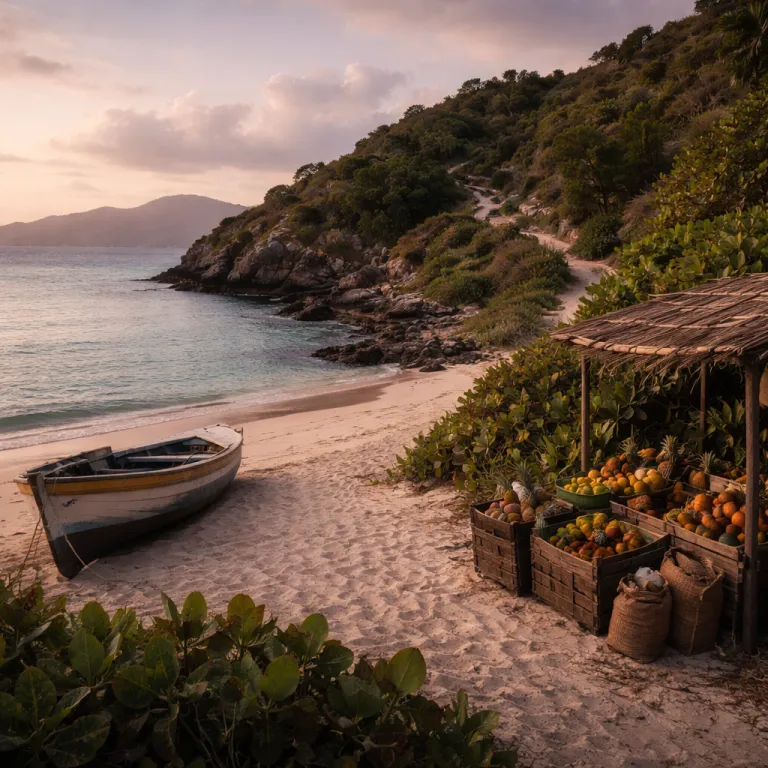
Why travel Antigua and Barbuda is more than a resort stay
Travel Antigua and Barbuda is often sold as a simple beach escape, yet these twin islands reward curiosity well beyond the sun lounger. When you treat Antigua and Barbuda as a sophisticated Caribbean playground rather than a closed resort compound, the country opens up with trails, markets and historic harbours that sit comfortably alongside high thread count sheets. Luxury travelers who learn to balance poolside ease with off property exploration experience an island that feels genuinely local, not internationally generic.
Start by understanding the geography of Antigua as the livelier island and Barbuda as the quieter sister, then plan your travel so you can enjoy both energies in one trip. Antigua offers 365 beaches, a developing hiking network and the UNESCO listed Nelson Dockyard, while Barbuda delivers long, near empty strands and a sense of Caribbean seclusion that premium hotel guests quietly chase. When you travel Antigua with this twin island mindset, every hotel choice, from hilltop suites to beachfront villas, becomes a base for wider exploration rather than a final destination.
Luxury does not mean ignoring practicalities such as travel health, safety and entry rules, especially when you travel Antigua and Barbuda independently. Carry a valid passport and check whether a visa is required for your nationality, because entry exit rules differ for visitors from the United States, Europe and other international regions. Before you arrive in the Caribbean, read the latest guidance from your government and the Antigua and Barbuda Tourism Authority, then monitor local updates so you can follow instructions from local authorities if weather or events affect your plans.
Beaches beyond the resort: rendezvous, half moon and long bay
Rendezvous Bay is the beach that convinces many luxury guests that travel Antigua and Barbuda should always include at least one hike. Reached by a moderate trail from the south coast road, this crescent of pale sand feels like a private Caribbean island, even though you are still on Antigua and only a short drive from high end hotels. Pack water, reef safe sunscreen and a light shirt, because the walk in the tropical heat takes around forty five minutes each way and rewards those who respect their health and energy levels.
Half Moon Bay on Antigua’s east coast suits travelers who want wild beauty with a little more comfort, and it works well as a day trip from luxury resorts. Swells can be strong here, so think about safety security in the water, especially if you are visiting with a child or a young guest who is not a confident swimmer. When the Atlantic is calm, you will find some of the clearest water in the country, and you can read quietly under sea grape trees while a local vendor slices a ripe pineapple or even the famous black pineapple for a refreshing snack.
Long Bay, further up the east coast of Antigua, offers gentler conditions and easy snorkeling, which makes it ideal for families and couples who value relaxed road safety and short transfer times. The drive from the main resort areas takes less than forty minutes, but you should still monitor local traffic reports and follow instructions about temporary road works, especially during the hurricane season when the season runs from early summer into autumn. This is a good place to chat with local residents about their favourite beaches in Antigua Barbuda and to learn how they balance tourism, marine health and community life.
For a deeper sense of how these beaches fit into the broader tourism picture, read about how the Caribbean travel marketplace returns to Antigua in a major regional tourism event, which signals continued investment in quality experiences beyond the resort strip. That kind of international attention helps ensure that when you travel Antigua and Barbuda, you find both polished hotels and well maintained public beaches that feel welcoming to visitors and locals. It also encourages the government and private sector to keep improving safety, access and environmental standards along the coast.
Hiking, shirley heights and nelson dockyard: heritage with a view
Antigua’s interior is greener than many travelers expect, and hiking here adds real depth to any travel Antigua and Barbuda itinerary. Fig Tree Drive, despite the name, is more about mango and banana than fig, and the road winds through a lush valley where you can arrange guided walks into the surrounding hills. Ask your hotel concierge to contact a certified local guide who understands both trail safety and travel health considerations, including hydration, sun exposure and basic medical support if someone twists an ankle.
The trails around Shirley Heights are the island’s most famous, and for good reason, because they combine moderate exercise with some of the Caribbean’s most cinematic harbour views. You can hike up from English Harbour or take a shorter path from the lookout car park, but in both cases you should think about road safety on the narrow access roads and avoid driving yourself after dark. Once on the ridge, you will see Nelson Dockyard spread out below, a reminder that Antigua Barbuda has long been an international maritime hub rather than a recent invention of the travel industry.
Nelson Dockyard itself deserves at least half a day, especially for travelers who enjoy history woven into their luxury stay. The restored stone buildings now house restaurants, galleries and small hotels, yet the sense of place remains strong, and you can read interpretive panels that explain how this harbour shaped the country’s role in the wider Caribbean. According to the Nelson Dockyard National Park office, the site typically opens daily from morning into early evening, with a modest entry fee that supports ongoing conservation and visitor services.
If you are staying in Barbuda, consider a day trip back to Antigua for this heritage circuit, or base yourself in one of Barbuda’s finest adults only luxury hotels and plan a twin centre stay. Properties on Barbuda specialise in seclusion and personalised service, while Antigua’s harbour side hotels put you closer to restaurants, sailing and nightlife. This combination lets you experience both the quiet island atmosphere of Barbuda and the more animated side of Antigua without compromising on comfort or service.
Markets, black pineapple and new community experiences
Saturday morning in St John’s is when travel Antigua and Barbuda feels most local, and the central market is the place to start. Arrive early, before cruise ship passengers swell the crowds, and you will see residents shopping for fish, herbs and the celebrated Antigua black pineapple, which many consider the sweetest in the Caribbean. Luxury travelers who usually rely on hotel buffets often find that tasting fruit at the source, chatting with vendors and watching how a child helps a grandparent choose produce becomes a highlight of their trip.
These markets are also where you can learn about the Antigua and Barbuda Tourism Authority’s visitor experience initiatives, which aim to spread tourism benefits beyond the resort gates. Representatives sometimes share information about new community tours, cooking classes and cultural performances that invite guests to read the islands through local eyes rather than through a purely international lens. When you travel Antigua, taking part in such activities supports small businesses, encourages the government to keep investing in heritage and helps maintain a healthier balance between visitor numbers and community well being.
Health and safety still matter in these lively spaces, so keep valuables close, stay hydrated and follow instructions from local authorities if crowd control measures are in place on busy days. While the risk of serious crime such as child abduction or complex custody disputes is low for most visitors, it is sensible for any parent or guardian to agree clear meeting points with a child in case you become separated. If you have specific medical needs, ask your hotel to contact a local medical provider in advance, so that any necessary medical evacuation or treatment can be arranged smoothly should a rare emergency arise.
To balance market mornings with refined afternoons, many travelers pair these experiences with carefully chosen properties from a curated guide to Caribbean luxury resorts in Antigua and Barbuda. This approach lets you enjoy the sensory intensity of St John’s before retreating to a calm pool deck or spa where staff already know your preferences. It is this rhythm between local immersion and polished comfort that defines the most rewarding way to travel Antigua and Barbuda today.
Getting around safely: cars, roads and hurricane season planning
Independent travelers who want to travel Antigua and Barbuda beyond the resort shuttle will almost certainly rent a car. Driving is on the left, and while main roads around St John’s and the airport are generally good, you will encounter potholes, speed bumps and unlit stretches once you head towards more remote beach and hiking areas. Good road safety practice here means avoiding night driving where possible, keeping speeds moderate and watching for sudden stops near village centres where a child or animal may cross unexpectedly.
Before you collect your vehicle, check that your travel insurance covers car rental in the Caribbean and that it includes adequate medical and liability protection. Some policies also bundle in limited cover for medical evacuation, which can be valuable in the unlikely event of a serious accident in a remote part of the island country. When you travel Antigua, it is worth paying a little extra for comprehensive coverage rather than relying solely on the minimum offered at the rental desk, especially if you plan to explore both Antigua and Barbuda by road and boat.
Hurricane season is a reality in this region, and the season runs roughly from early summer into late autumn, so planning matters. If you choose to travel Antigua and Barbuda during this period, monitor local weather reports, follow instructions from your hotel and local authorities, and register your contact details with your embassies consulates if they offer such a service. In the rare case of a major storm, the government will coordinate safety security measures, but having flexible flights, robust travel insurance and a clear understanding of your entry exit conditions will make any disruption easier to manage.
Official advice often reminds visitors that they should carry a valid passport and that no visa is required for certain nationalities, including U.S. citizens, while others must check visa required lists before departure. These same advisories usually recommend that travelers use only clearly marked taxis and avoid isolated areas at night, which aligns with common sense anywhere in the world. When you read and act on such guidance, you reinforce your own safety and contribute to the overall reputation of Antigua Barbuda as a responsible, welcoming destination.
Balancing luxury hotels with off property exploration
The most satisfying way to travel Antigua and Barbuda is to treat your luxury hotel as a launch pad rather than a cocoon. Start with two or three nights in a high end resort on Antigua’s west coast, where calm Caribbean waters and polished service help you adjust to the island’s pace. Use this base to visit nearby beaches, arrange a guided hike along Fig Tree Drive and schedule an evening at Shirley Heights for live music and sweeping harbour views.
Next, consider adding a stay on Barbuda, where a handful of premium properties sit on long, pale beaches that feel almost private, especially outside peak travel periods. Here, days revolve around the sea, with boat trips to offshore islands, bird watching in the lagoon and long walks where you may see more pelicans than people. This is also an opportunity to learn how Barbuda’s community is rebuilding and redefining tourism after past storms, and to see how local authorities and the government are working with international partners to balance development, safety security and environmental health.
Throughout your trip, keep an eye on practicalities such as travel health, entry exit stamps and any requirements set by embassies consulates for your onward journeys. Families should talk openly with children about staying close in busy areas, which reduces the already low risk of issues such as child abduction or confusion in crowded spaces. If you ever need urgent assistance, your hotel can contact medical services, arrange medical evacuation if necessary and help you read and understand any forms required by insurance companies or border officials.
For those who prefer a curated approach, specialised platforms such as stay in Antigua and Barbuda dot com offer handpicked luxury properties and honest reviews that focus on both comfort and context. Using such resources, you can match specific hotels to your preferred mix of seclusion, activity and cultural access, whether you prioritise a spa, a sailing programme or proximity to Nelson Dockyard and St John’s. The result is a trip where every element, from the first passport stamp to the last slice of black pineapple at breakfast, feels intentional and deeply connected to the islands you came to experience.
Travel health, safety and practical formalities for discerning guests
Thoughtful planning around travel health and safety allows you to travel Antigua and Barbuda with confidence, especially if you are venturing beyond resort grounds. Before departure, consult a travel health clinic or your usual medical provider to learn which routine vaccinations are recommended for the Caribbean and to discuss any personal conditions. Bring copies of prescriptions, pack medications in your hand luggage and ensure that your travel insurance includes clear provisions for medical evacuation from both Antigua and Barbuda in case of serious illness or injury.
On arrival, immigration officers will check your passport, confirm that any visa required conditions are met and stamp your entry exit details, so keep onward tickets and hotel confirmations handy. While many visitors from North America and Europe find that no visa is required for short stays, rules can change, and it is your responsibility to read the latest information from your government and from Antigua Barbuda’s official channels. If you have questions, embassies consulates and the Antigua and Barbuda Tourism Authority can clarify requirements and help you avoid problems at the border.
Once in the country, basic safety security habits go a long way, such as using hotel safes, avoiding isolated beaches after dark and choosing licensed taxis or reputable car rental firms. Parents and guardians should agree simple rules with any child in their care, including what to do if separated in a crowd, which keeps the already rare risk of child abduction even further at bay. Should you ever need urgent help, contact local authorities through the national emergency numbers, and they will coordinate with medical services, the government and, if necessary, your embassies consulates to resolve the situation.
Responsible travel also means respecting the islands’ environment and communities, from supporting local markets to following instructions on protected beaches and trails. When you travel Antigua, small choices such as using reef safe sunscreen, reducing plastic waste and tipping fairly contribute to the long term health of the country’s ecosystems and its tourism economy. As one official summary from the Antigua and Barbuda Tourism Authority notes, “Tourism is vital to the nation's economy.”
Key figures for luxury travel in Antigua and Barbuda
- Antigua and Barbuda welcome around 300 000 visitors per year, according to the Antigua and Barbuda Tourism Authority, which keeps the islands busy yet far from mass tourism levels seen in larger Caribbean countries.
- Antigua alone offers 365 beaches, a figure often cited by the tourism authority, meaning that even during peak season you can usually find a quiet stretch of sand away from the main resort clusters.
- The main tourism peak runs from December to April, when weather is typically drier and international arrivals are highest, so luxury travelers seeking more seclusion may prefer shoulder months on either side of this period.
- V C Bird International Airport handles the majority of air travel into the country, while St John’s Harbour receives regular cruise ships, creating two distinct entry exit points that shape how visitors move around Antigua and Barbuda.
- Eco friendly tourism initiatives are expanding, with the government and private sector promoting hiking, community tours and heritage sites such as Nelson Dockyard, which helps diversify experiences beyond traditional beach stays.
FAQ about luxury travel Antigua and Barbuda
What is the best time to travel Antigua and Barbuda for luxury stays ?
The most popular time to travel Antigua and Barbuda is from December to April, when the weather is typically drier and many luxury resorts operate at full capacity. This period suits travelers who enjoy a lively atmosphere, full service offerings and a wide choice of dining and events. Those seeking quieter beaches and more personalised attention may prefer shoulder months, accepting a slightly higher chance of showers in exchange for more space and flexibility.
Are there any travel advisories for Antigua and Barbuda ?
Current guidance generally suggests that visitors should exercise normal precautions when they travel Antigua and Barbuda, with no specific nationwide advisories in place for most travelers. Standard advice includes using clearly marked taxis, avoiding isolated areas at night and keeping valuables secure, especially in busy areas such as markets and cruise terminals. It is wise to read updates from your own government before departure and to monitor local news once in the country, so you can follow instructions from local authorities if conditions change.
What are the main attractions beyond the resorts in Antigua and Barbuda ?
Beyond resort pools and private beaches, key attractions include Nelson Dockyard, the viewpoints and trails around Shirley Heights, and scenic drives such as Fig Tree Drive. Travelers who want to travel Antigua more deeply also enjoy Saturday markets in St John’s, hikes to Rendezvous Bay and day trips to Half Moon Bay and Long Bay for wilder coastal scenery. On Barbuda, highlights include long, quiet beaches and nature focused excursions that showcase the island’s more remote character.
How can I combine luxury hotels with authentic local experiences ?
The most effective approach is to choose high end properties that sit close to local villages, markets or heritage sites, then plan specific days for exploration. For example, you might stay at a west coast resort on Antigua, spend one morning at the St John’s market, another hiking near Shirley Heights and an afternoon wandering Nelson Dockyard before returning to your hotel spa. Adding a few nights on Barbuda, perhaps in one of the island’s finest adults only luxury hotels, completes a twin island itinerary that balances comfort with genuine local contact.
Do I need special insurance or medical cover for Antigua and Barbuda ?
While no specific policy is mandated for entry, comprehensive travel insurance is strongly recommended for anyone who plans to travel Antigua and Barbuda, especially independent explorers. A good policy should cover medical treatment, medical evacuation, trip interruption and rental car use, as well as personal liability and lost luggage. Travelers with existing health conditions or those visiting during hurricane season should discuss their plans with a medical professional and ensure that their cover matches the realities of Caribbean island travel.