Why scuba diving Antigua dive sites stay uncrowded and quietly spectacular
Antigua is famous for beaches and sailing, which keeps many scuba fans away from the deeper reef and wreck systems. That is exactly why scuba diving Antigua dive sites feels unhurried, with small groups and dive operators who still know every mooring by name. When you plan a trip across these islands as a solo explorer, you will find that diving Antigua rewards those who care more about marine life than about the next poolside sandals cocktail.
The south coast of Antigua Barbuda shelters a chain of reef walls, drift channels and a handful of wrecks that sit in clear Caribbean water. Local dive operators based around English Harbour and Falmouth Harbour run relaxed two tank dives that slip beneath waves long before the cruise ship snorkel tours arrive. When you read trip reports about Antigua diving, notice how often divers mention the calm, almost private feeling on the boat and at the sites.
Compared with better known Caribbean islands, Antigua offers a slower rhythm and more flexible diving courses for both new and certified guests. You can book a reef dive one morning, then switch to a shallow wreck dive the next day without feeling locked into a rigid schedule. That freedom opens window after window onto different underwater landscapes, from coral gardens to ledges where eagle rays and nurse sharks glide past in the blue.
Where to stay for serious diving antigua and how a two tank morning unfolds
If scuba diving Antigua dive sites is the focus of your trip, base yourself on the south coast near English Harbour. This side of the island keeps you close to the main dive operators, the marinas and the calmest water for boat departures. You will trade the big resort strip for low key luxury properties that understand early starts, wet gear and guests who plan their time around the tide tables.
DiveCarib in English Harbour and Indigo Divers on the west coast both run guided dives and PADI courses, and you should confirm they are currently active and check certification requirements directly with them before booking. A typical two tank morning for scuba diving begins with a short boat ride along the coast, tanks rigged while you read the briefing about depth, current and expected marine life. Most dive Antigua schedules aim to have you back at your hotel by early afternoon, leaving space for a nap, a massage or even an afternoon session learning to kitesurf in Antigua at Nonsuch Bay’s flat water, which many consider the perfect classroom for another kind of board based adventure.
On board, the atmosphere stays relaxed yet professional, with PADI instructors and divemasters checking every certification card before the first descent. You will usually start with a deeper reef dive or a gentle drift along a wall, then move to a shallower reef or wreck for the second tank. Between dives, the boat swings in the lee of the islands while you sip water, swap stories about reef sharks and eagle rays, and watch the coastline slide by in soft morning light.
The signature reef walls, drift runs and wrecks that define antigua scuba
The south and southwest coasts hold the most characterful scuba diving Antigua dive sites, especially for certified divers who like variety. Here, the island’s fringing reef breaks into walls, pinnacles and sandy channels that create natural drift routes. When conditions line up at the best time of year, visibility can stretch far enough that you feel suspended beneath waves in a vast blue amphitheatre.
Reef dive fans will appreciate sites Antigua locals talk about in almost proprietary tones, from coral gardens with lazy turtles to ledges where reef sharks cruise the drop off. Some dive sites sit close enough to shore that the boat ride is under fifteen minutes, while others take more time and reward you with healthier marine life and fewer bubbles in the water. Wreck enthusiasts can add shallow, photogenic wrecks near the south coast to their Antigua scuba logbook, often on the second tank when the light is high and the current soft.
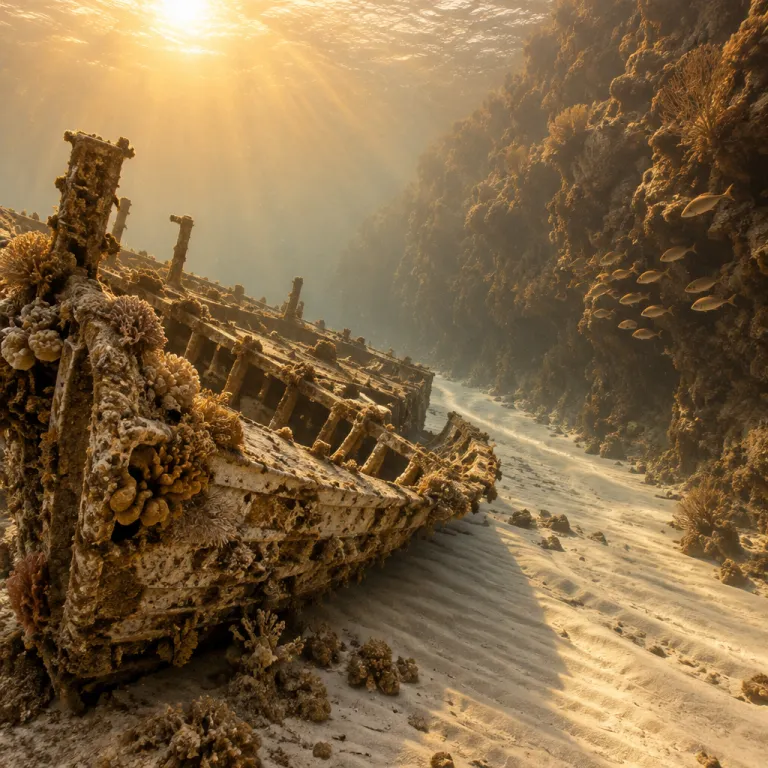
These wreck dives are not the deep technical epics you find on other Caribbean islands, but they suit the relaxed, unhurried spirit of diving Antigua. You will fin past old hulls now draped in sponges, watch schools of fish pour through broken ribs and sometimes see nurse sharks resting in the shade. Many reef and wreck sites Antigua offers also work well for advanced Discover Scuba style experiences, where a PADI professional keeps first timers shallow while certified buddies explore a little deeper.
Learn to dive, discover scuba and how it differs from the snorkel line
Antigua diving works on two clear tracks, and your hotel should help you choose the right one. If you already hold a PADI or equivalent certification, you can book packages that focus on deeper reef walls, drift dives and wrecks beyond the usual snorkel range. If you are new to scuba, Antigua offers gentle bays and professional diving courses where calm Caribbean water and short boat rides keep nerves in check.
Most south coast operators run Discover Scuba style experiences for guests who want to try scuba diving without committing to full certification. These sessions usually start in a pool or very shallow water, then move to an easy reef dive where the guide controls depth and time while you concentrate on breathing and buoyancy. It is a very different feeling from floating at the surface with a snorkel, because scuba diving Antigua dive sites lets you move slowly beneath waves, settle near the sand and watch marine life behave naturally instead of darting away from flippers above.
For those ready to invest more time, multi day diving courses lead to full PADI certification, opening the door to deeper dives and more adventurous itineraries. Once certified, you will notice how the boat heads for sites Antigua snorkel tours rarely reach, where reef sharks and eagle rays appear more often and the coral looks less trampled. If you want to compare the two worlds directly, consider pairing a morning scuba session with one of the refined Antigua snorkeling tours for luxury travelers, which keeps the surface side of the experience as curated as the underwater one.
Conditions, best time to visit and how hotels shape your dive day
Conditions for scuba diving Antigua dive sites stay relatively stable, but subtle shifts matter when you care about visibility and current. The leeward south and west coasts usually offer the calmest water, while the Atlantic side can feel rougher and better suited to wind sports than to delicate reef dive plans. Many divers consider the best time to visit to be the calmer months outside the windiest season, when the sea flattens, the boat rides smooth out and suspended particles drop from the water column.
Luxury and premium hotels that understand Antigua scuba will quietly shape your day around these patterns. They arrange early breakfasts, flexible housekeeping for wet gear and private transfers timed to your boat departures, so you never feel rushed between dives and dinner. Some concierges even keep a running read on conditions from their preferred dive operators, helping you decide whether tomorrow should be a wall dive, a wreck exploration or a lazy shallow reef where marine life steals the show.
After diving Antigua all morning, you might return to a room where staff have already set up a drying rack on the balcony and a light snack beside chilled water. Evenings can then shift from beneath waves to above them, perhaps with a rum punch at a harbour bar before a reservation at a restaurant that treats fresh fish with the same respect you saw underwater. If you want to understand how the sea shapes the plate here, plan at least one night focused on the gastronomy of Antigua, from pepperpot to ducana and fungee, which roots your dive trip in local flavour as much as in Caribbean blue.
Planning a solo explorer itinerary around dive antigua and twin island life
For a solo traveler, the appeal of scuba diving Antigua dive sites lies in the balance between structure and freedom. Morning dives give your day a clear spine, while afternoons and evenings remain open for sailing, hiking or simply reading by the pool. Because group sizes stay small, you will often share the boat with the same faces across several dives, which quietly builds a sense of community without forcing resort style socialising.
When you plan your stay, think in clusters of three to four dive days, broken by rest days where you keep your head above water. Those pauses are ideal for exploring the islands on land, from the historic dockyards of English Harbour to the quieter beaches where sandals stay mostly in your hand rather than on your feet. If you feel the pull of more wind driven sports, the flat water of Nonsuch Bay and other east coast lagoons opens window after window onto kitesurfing and sailing, while still keeping your main focus on diving Antigua.
Across a week, a thoughtful mix of reef dives, wreck explorations and perhaps one or two gentle drift dives will give you a rounded sense of what Antigua Barbuda offers underwater. You may not log the deepest or most technical dives of your life here, but you will remember the easy boat rides, the unhurried briefings and the way reef sharks, eagle rays and nurse sharks appeared without crowds. By the time you pack your gear, the islands will feel less like a generic Caribbean backdrop and more like a specific, lived in dive destination that sits quietly below the snorkel line.
FAQ
Is Antigua good for scuba diving compared with other Caribbean islands ?
Antigua is not as famous as some Caribbean islands for scuba, but that works in your favour. The dive sites are less crowded, boat rides are usually short and the atmosphere on board stays relaxed. You get solid reef and wreck diving without the conveyor belt feeling of busier destinations.
Where should I stay in Antigua if I want to focus on diving ?
The south coast around English Harbour and Falmouth Harbour is the best base for serious diving Antigua itineraries. You will be close to key dive operators, marinas and calm departure points. Many luxury and premium hotels in this area understand early starts, wet gear and flexible schedules for divers.
Do I need a PADI certification before arriving in Antigua ?
If you want to dive the full range of reef walls, drift sites and wrecks, arriving with a PADI or equivalent certification is ideal. However, Antigua offers Discover Scuba experiences and complete diving courses for beginners. You can start from zero and leave with an entry level certification if you dedicate several days.
What is the best time of year for visibility and calm conditions ?
Conditions are generally good year round, but many divers prefer the calmer months outside the windiest period. During these times, the sea is flatter, boat rides are smoother and visibility at the dive sites often improves. Always check with local dive operators shortly before your trip for the latest read on conditions.
Can non divers enjoy the water while I am out on the boat ?
Non divers have plenty of options, from refined snorkeling tours to sailing, kitesurfing and quiet beach days. Many hotels can arrange Antigua snorkeling tours for luxury travelers that match the quality of your scuba experience. This makes Antigua Barbuda a strong choice for mixed groups where not everyone wants to spend their time underwater.