Antigua snorkeling reef guide for luxury‑minded families
Antigua and Barbuda rewards families who plan their snorkeling days with the same care they devote to choosing a luxury suite. This Antigua snorkeling reef guide is written for travelers who want the best reef experiences without sacrificing comfort, attentive service or easy access from their hotel on the island. Think of it as a bay‑by‑bay briefing on the reefs, the marine life and the clear waters that sit just beyond the beach cabanas and infinity pools.
On the west coast, the long arc of Cades Bay and Jolly Beach forms the natural gateway to Cades Reef, the island’s largest reef system and the backbone of most top snorkeling tours. From the north coast near Dickenson Bay down to the quieter south coast coves, Antigua’s snorkeling spots are close enough to pair with a late breakfast at your resort and still be back in time for a sunset rum punch. Families staying at premium properties can arrange a private boat or join a small group snorkeling tour, with hotel concierges booking online in advance to secure the best guides and preferred departure times.
Because Antigua and Barbuda banned most single‑use plastic bags and polystyrene food containers in 2016–2017 under the National Solid Waste Management Authority regulations, the sea around the island feels cleaner and the coral reefs are slowly benefiting from reduced waste along the coast. Local tour operators now use more fuel‑efficient, eco‑friendly boat designs, and many partner with marine conservation groups such as the Environmental Awareness Group (EAG) and the Antigua Conservation Society to monitor common reef health and support coral restoration. For parents, this means your children’s first snorkeling experience in Antigua can be both thrilling and quietly educational, with guides explaining how marine life depends on healthy reefs and clear waters.
Cades Reef and Cades Bay: west coast classic for easy reef riders
Cades Reef stretches for roughly 3.2 km along Antigua’s sheltered west coast, and it is the default entry in any serious Antigua snorkeling reef guide. The reef lies offshore from Cades Bay and Jolly Beach, so most guests reach it by boat on a half‑day snorkeling tour that balances time in the sea with relaxed cruising along the coast. Calm conditions and crystal‑clear water make this one of the best snorkeling locations for mixed‑ability groups, including children and less confident swimmers.
Guided snorkeling tours here usually stop at two or three snorkeling spots along the reef, allowing you to see different coral reefs and marine life communities. Expect clouds of blue tangs and parrotfish grazing on coral, angelfish weaving between sea fans and, with luck, a sea turtle or a shy nurse shark gliding along the sandy bottom. Local tour operators such as Adventure Antigua and South Coast Horizons confirm that “Is snorkeling at Cades Reef suitable for beginners? Yes, with calm waters, life vests and guided tours that stay within the protected section of the reef.”
Luxury hotels around Jolly Harbour and the wider Antigua and Barbuda west coast often work with specialist operators such as Reef Rider style outfitters, where small inflatable boats let you drive a boat yourself in convoy behind a guide. These reef riders give a more independent snorkeling experience while still keeping families safely supervised at the reef. For a broader view of how these adventure activities fit into a premium stay, consult our guide to adventure activities for discerning travelers in Antigua, which pairs Cades Reef outings with inland hikes and sailing days.
Deep Bay and the Andes wreck: history in 9 metres of clear water
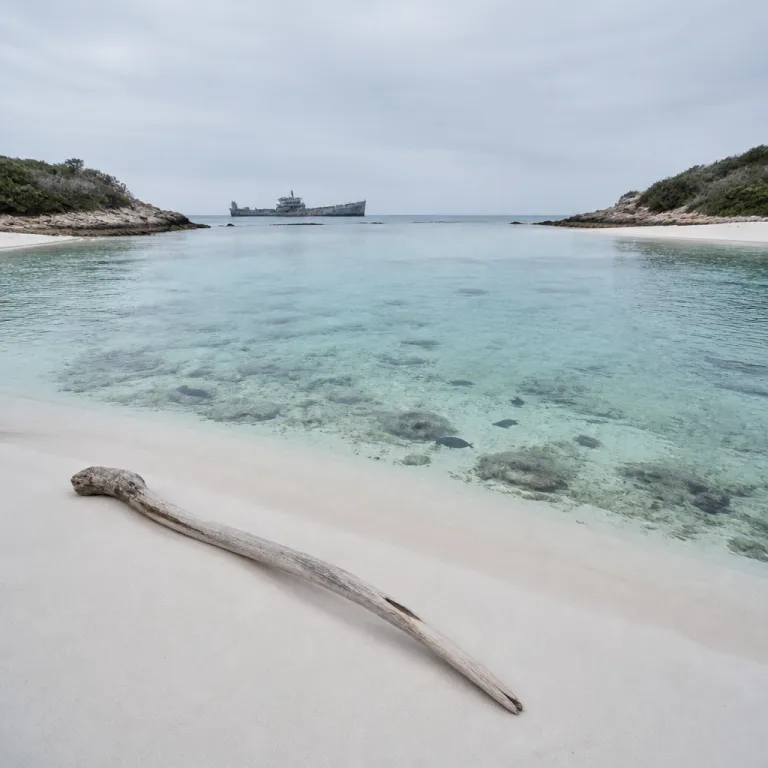
North of St. John’s, Deep Bay hides one of the island’s most atmospheric snorkeling spots, the wreck of the Andes sitting in about 9 m of water. The ship lies upright on the sand, and on calm days its outline is visible from the surface, making this one of the best snorkeling locations for families curious about history as much as marine life. Because the bay is sheltered, the clear waters often feel like a natural pool framed by low hills and a quiet beach.
Snorkeling Antigua’s Andes wreck is less about racing around the sea and more about slow exploration of coral and sponge growth on the hull. Over time, the wreck has become a common reef structure, with soft corals, barrel sponges and schools of reef fish using the metal as a base. Local marine biologists working with the Fisheries Division and the National Parks Authority regularly survey this site as part of wider Antigua reef monitoring, and their work feeds into government reef protection initiatives and anti‑overfishing oversight along the coast.
Families staying in St. John’s or arriving by cruise ship can reach Deep Bay quickly by taxi or hotel transfer, then either swim out from the beach or join a short boat tour. Some operators combine the Andes with nearby snorkeling spots on the north coast, including Paradise Reef near Dickenson Bay, to create a varied half‑day snorkeling experience. If you prefer to make a full day of it on the water, consider pairing a morning at the wreck with an afternoon catamaran circuit using routes similar to those in our feature on catamaran routes and hidden coastline stops.
Green Island, Paradise Reef and the quieter east and north coasts
While the west coast delivers the headline Antigua snorkeling reef guide entries, the east and north coasts reward travelers willing to go a little further by boat. Green Island, off the windward side near Nonsuch Bay, offers some of the top snorkeling in Antigua and Barbuda for guests staying at luxury sailing‑focused resorts. Here, coral reefs feel wilder, the sea has more movement and the islands on the horizon remind you that you are on the Atlantic‑facing edge of the Caribbean.
Snorkeling tours to Green Island usually depart by boat from Nonsuch Bay or nearby marinas, with operators choosing snorkeling spots based on wind and swell on the day. Expect more dramatic reef structure, with hard coral heads, sea fans and a good chance of spotting eagle rays or larger schools of reef fish in the clear waters. Because this area is less trafficked than Cades Reef, the marine life can feel denser, and many repeat visitors quietly rate it as the best snorkeling on the island.
On the north coast, Paradise Reef near Dickenson Bay offers a gentler option that still delivers colourful soft corals and accessible marine life. Families staying at premium resorts along this stretch of beach can join short snorkeling Antigua outings that fit easily between breakfast and a relaxed lunch at a local restaurant. For a sense of how to pair these sea‑based experiences with authentic dining, read our feature on how Antigua’s independent restaurants are rewriting the island’s food story, then plan a day that moves from reef to beach bar without ever touching an all‑inclusive bracelet.
Choosing the right snorkeling tour from your luxury hotel
For premium family travelers, the real art lies in matching the right snorkeling tour to your hotel location, your children’s ages and your appetite for adventure. West coast resorts around Jolly Beach and Cades Bay are perfectly placed for Cades Reef and Paradise Reef, while St. John’s hotels suit Deep Bay and cruise ship‑friendly itineraries. Properties on the east coast near Nonsuch Bay naturally lean toward Green Island and more wind‑exposed reefs, which appeal to confident swimmers and older children.
Most guided snorkeling tours cost between 50 and 80 US dollars per person for a half day, which typically includes boat transfers, snorkeling gear, safety equipment and refreshments. This price range is consistent with rates published by well‑known operators such as Tropical Adventures and Adventure Antigua, and represents good value compared with private charters. Luxury hotels often negotiate with trusted local tour operators who use eco‑friendly boats and limit group sizes, so your snorkeling experience feels curated rather than crowded. When booking online through your hotel or directly with operators, ask whether the itinerary focuses on coral reefs, wrecks or a mix of snorkeling spots, and whether you will have the option to drive a boat in a guided reef rider style convoy.
Families who prefer privacy can charter a small boat for the day and work with the captain to design a bespoke Antigua snorkeling reef guide that moves between Cades Reef, a quiet common reef patch near shore and a late afternoon swim in a sheltered bay. This approach lets you time your swims around your children’s energy levels and the day’s sea conditions, rather than fitting into a fixed schedule. It also allows you to linger when you find exceptional marine life, whether that is a turtle feeding on the reef or a school of reef fish swirling in crystal‑clear water under the hull.
Conservation, safety and how to brief your family before you swim
Antigua’s coral reefs sit at the centre of a broader sustainability strategy that includes bans on single‑use plastics, reef protection zones and anti‑overfishing oversight. Local marine biologists work with tour operators to monitor marine life on key reefs such as Cades Reef, Green Island and the Andes wreck, sharing data that helps refine visitor numbers and anchoring practices. As a guest, choosing operators who brief you on reef‑safe behaviour is one of the simplest ways to support this work.
Before any snorkeling Antigua outing, talk your children through a few non‑negotiables that keep both them and the reef safe. No standing on coral, no chasing turtles, no feeding fish and no touching anything, even if it looks like a rock, are rules that protect fragile coral reefs and reduce the risk of stings or cuts. Many guides now carry laminated cards showing common reef species, which turns the boat ride between snorkeling locations into a mini marine biology class and gives children something specific to look for in the water.
From a safety perspective, insist on life vests or snorkel vests for younger swimmers, and choose tours that keep a high guide‑to‑guest ratio in the water. Reputable operators provide well‑maintained gear, clear safety briefings and contingency plans for changing sea conditions, and they schedule morning departures when winds are lighter and the sea is calmer. When you combine this level of professionalism with Antigua’s naturally clear waters and sheltered bays, you create a snorkeling experience that feels luxurious not because of champagne on deck, but because every detail from reef health to rider safety has been considered.
Key figures for planning your Antigua snorkeling days
- Cades Reef runs for about 2 miles (3.2 km) along Antigua’s west coast, making it the island’s largest continuous reef system and the backbone of many snorkeling tours (Antigua and Barbuda Tourism Authority; Antigua and Barbuda 365).
- The wreck of the Andes in Deep Bay rests in roughly 30 feet (about 9 m) of water, shallow enough that the outline of the ship can be seen from the surface on calm days (Antigua and Barbuda Official Tourism Website; local dive briefings).
- Guided half‑day snorkeling excursions typically cost between 50 and 80 US dollars per person, which usually includes boat transport, gear rental and safety equipment, representing good value compared with private charters (sample pricing from Tropical Adventures and Adventure Antigua).
- Snorkeling excursions operate year‑round in Antigua, with operators adjusting departure times and snorkeling locations according to seasonal wind patterns and daily weather conditions.
- Most family‑friendly tours last around 3 to 4 hours, balancing time in the water with relaxed cruising so children do not tire before reaching the main reef sites.
FAQ about snorkeling Antigua’s reefs from luxury hotels
Is snorkeling at Cades Reef suitable for beginners and children?
Cades Reef is widely regarded as one of the best snorkeling sites in Antigua for beginners because it sits behind the west coast’s natural barrier, which keeps the sea relatively calm. Guided tours provide flotation devices and close supervision, so children who are comfortable in the water usually adapt quickly. Choosing a morning departure further improves conditions, as winds and surface chop tend to increase later in the day.
What marine life can we expect to see at the Andes wreck in Deep Bay?
The Andes wreck has evolved into an artificial reef, so you can expect to see a mix of reef fish, rays and occasional turtles using the structure for shelter and feeding. Coral and sponge growth covers much of the hull, attracting smaller species that in turn draw in larger predators. Because the wreck lies in only about 9 m of water, visibility is often excellent, especially on calm days.
Are snorkeling tours in Antigua available throughout the year?
Snorkeling tours operate year‑round in Antigua, with departures scheduled most days from hubs such as Jolly Harbour, St. John’s and Nonsuch Bay. Operators adjust routes and snorkeling spots according to seasonal trade winds and daily forecasts, sometimes favouring more sheltered bays when the Atlantic side is choppy. It is wise to book online in advance during peak holiday periods, especially if you want a private charter or a specific reef.
How far in advance should I book from a luxury or premium hotel?
For peak travel periods, book your preferred snorkeling tour at least a week before arrival, either directly online or through your hotel concierge. This is particularly important for small‑group or reef rider style outings, which limit numbers to preserve a premium experience. Outside peak weeks, booking a day or two ahead is usually enough, but private charters still benefit from more notice.
What should families pack or prepare for a snorkeling day in Antigua?
Most operators provide masks, snorkels, fins and safety equipment, so families mainly need reef‑safe sunscreen, towels, rash guards and any personal prescription masks. Light snacks and water are often included, but checking in advance avoids surprises, especially with children. A simple pre‑trip briefing about not touching coral, staying close to the guide and signalling if anyone feels tired will make the day smoother for everyone.