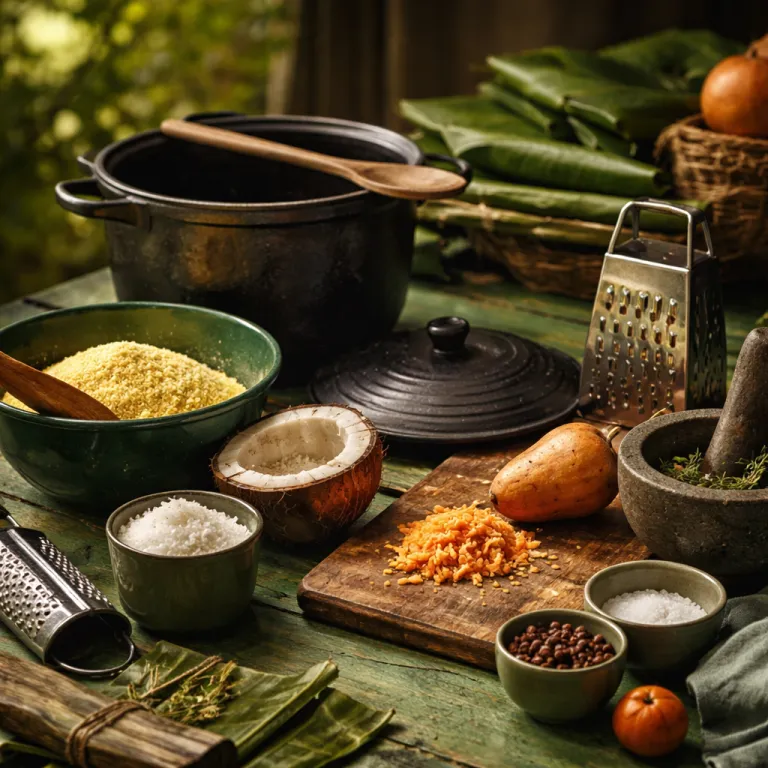
Antigua local food dishes gastronomy for luxury‑minded families
Antigua local food dishes gastronomy is the quiet thread that elevates a Caribbean family holiday from pleasant to unforgettable. On this island, where the sea changes shade every few metres of beach, the most memorable moments often happen around a table laden with Antigua food rather than at the pool bar. For travellers booking premium stays in Antigua and Barbuda, understanding how and where to eat Antigua like a local is the difference between a standard resort break and a genuinely Antiguan experience.
The national dish, fungee and saltfish, is your essential starting point in any serious exploration of food Antigua, and the best versions rarely sit on the main buffet line. Fungee is a cornmeal preparation similar in texture to Italian polenta, gently stirred to a silky, almost elastic consistency, then shaped into mounds that soak up the savoury sauce from salted cod cooked with tomatoes, onions and mild Caribbean peppers. When a hotel takes this national plate seriously, serving it at lunch with a side of sautéed local greens and a glass of properly mixed rum punch, you know its culinary level is set well above the usual all inclusive template.
Luxury properties around St. John's and English Harbour now treat Antigua local food dishes gastronomy as a core part of their identity, not a themed night. Families can expect kids to move from familiar jerk chicken to more traditional Antiguan preparations over a few days, especially when chefs explain that “What is fungee? A cornmeal dish similar to polenta.” and let them taste small portions first. When you plan several nights on the island, look for hotels that highlight Antiguan farm to table partnerships and that can arrange guided tastings in town, because the best food stories often unfold away from the sun loungers.
Fungee, saltfish and pepperpot at five star level
In the upper tier of Antigua and Barbuda hotels, the national dish appears with a polish that still respects its roots. At breakfast or brunch, you might find mini domes of fungee beside grilled saltfish, roasted plantain and a wedge of the island’s celebrated black pineapple, creating a plate that quietly outshines any generic continental spread. The best time to order it is early in the day, when the kitchen has just finished the morning batch and the texture remains perfectly soft rather than firm.
For lunch, some chefs reinterpret fungee and saltfish as a composed dish, pairing the cornmeal with pan seared local fish and a light coconut sugar glaze, a nod to traditional sweetness without tipping into dessert territory. Pepperpot, the slow cooked stew that anchors Antigua local food dishes gastronomy, often appears as a special on cooler or breezier days, its mix of leafy greens, root vegetables and various meats simmered for hours until the broth turns deep and glossy. When guests ask, “How is pepperpot prepared? A stew made with various meats and vegetables.” the most engaged teams invite them into the kitchen for a quick look at the heavy pots and traditional utensils that make the flavour so layered.
Families arriving from a Caribbean cruise that has skimmed the Virgin Islands or the Southern Caribbean often comment that Antigua’s pepperpot feels more homely and less performative than versions tasted during a rushed cruise lunch stop. If your itinerary includes nights in San Juan or a detour through Puerto Rico, you will notice how Antiguan pepperpot leans less on heat and more on mild, herb driven depth. For a deeper dive into how luxury properties frame these classics within broader service standards, our guide to independent Antiguan restaurant experiences beyond the all inclusive bracelet is essential reading before you lock in your reservation.
Ducana, johnny cakes and street food beyond the resort gates
Step outside the lobby and Antigua local food dishes gastronomy becomes more tactile, more aromatic and often more fun for children. Roadside stalls near St. John’s, village bakeries and weekend markets reveal the sweeter side of Antigua food, especially when trays of ducana appear beside baskets of still warm johnny cakes. Ducana is a grated sweet potato dumpling wrapped and boiled, its flavour profile explained simply in the local culinary training materials as “What does ducana taste like? Sweet and spiced, made from sweet potatoes and coconut.”
Served with a drizzle of reduced coconut sugar syrup or alongside saltfish, ducana bridges dessert and main course in a way that intrigues well travelled families. Johnny cakes, by contrast, are the everyday staple of food Antigua, small rounds of fried or baked dough that work at any time of day, from a quick breakfast before a sailing lesson to a late night bite after a rum bar session. Many luxury hotels now arrange escorted street food walks in St. John’s, timing them for the best time of day when vendors are busiest and the atmosphere feels lively yet manageable for younger children.
These curated outings often include a stop at a modest stall where jerk chicken smokes slowly over pimento wood, its aroma drifting down the street and pulling in both locals and visitors. While jerk chicken is more closely associated with Jamaica, Antiguan cooks have made it their own, serving it with fungee, rice and peas or a simple salad, and pairing it with a plastic cup of rum punch that tastes far better than its humble presentation suggests. To align your stay with the island’s culinary calendar, consult our coverage of Antigua’s Culinary Month and its restaurant week events, then ask your hotel concierge to secure tables at participating venues before you even land.
Rum, beach lunches and how hotels curate local flavour
Rum is the quiet backbone of Antigua local food dishes gastronomy, threading through marinades, desserts and of course the island’s signature rum punch. English Harbour Rum, distilled on Antigua, appears on nearly every serious bar menu, often in tasting flights that sit comfortably alongside plates of pepperpot or platters of grilled seafood. For families, the key is balance, with adults exploring the rum story while children focus on the food and the setting, whether that is a shaded beach deck or a breezy terrace overlooking the harbour.
Many premium properties now design beach lunches that feel more like curated picnics than buffet extensions, using local rum in sauces and glazes rather than as a blunt instrument in sugary cocktails. A typical spread might include grilled fish marinated in a light rum and lime mixture, a side of fungee, a salad of black pineapple and herbs, and a basket of johnny cakes that vanish quickly once everyone realises how addictive they are. On some stretches of beach, independent shacks still grill lobster and fish caught that morning, offering a level of authenticity that rivals any formal restaurant and that pairs beautifully with a simple, well balanced rum punch.
Travellers who arrive via Fort Lauderdale or who connect through the busy Fort Lauderdale–Hollywood International Airport often comment on how quickly the pace shifts once they reach the island and sit down to their first proper Antiguan lunch. Whether you flew in from Miami, New York or even from San Juan after a short hop from Puerto Rico, the first plate of local food resets your internal clock more effectively than any spa treatment. For a broader view of how to align these culinary experiences with the right property, our feature on elevating your five star hotel booking in Antigua outlines which hotels take gastronomy as seriously as their infinity pools.
A practical food map for premium families exploring Antigua
Planning Antigua local food dishes gastronomy around your hotel booking requires a simple mental map of the island. St. John’s offers the densest cluster of local eateries, from market stalls selling ducana and johnny cakes to small dining rooms where pepperpot bubbles away all day in heavy pots. English Harbour and Falmouth Harbour lean more towards yachting crowds, yet even here you can eat Antigua style at casual spots that serve fungee and saltfish at breakfast and grilled catch of the day at lunch.
Families arriving from a Caribbean cruise that has looped through the Virgin Islands, Kitts and Nevis or other Southern Caribbean ports often have only a single day in Antigua, which makes choices sharper. In that case, prioritise one sit down meal focused on the national dish, a quick street food stop for jerk chicken or ducana, and, if time allows, a short rum tasting for adults while children enjoy a beachside snack. Those staying several nights can spread experiences out, using one evening for a fine dining interpretation of Antigua food, another for a casual beach bar, and a third for a guided walk through St. John’s that links food, history and architecture.
Even if your wider itinerary includes San Juan, Juan Puerto or a longer stay in Puerto Rico, Antigua’s food identity stands apart, less about fusion and more about quiet confidence in its own flavours. Luxury hotels that understand this rarely outsource gastronomy to generic concepts, instead working closely with local chefs and culinary tour guides to keep recipes rooted in place. When you leave, you will remember not only the level of service and the softness of the sand, but also the taste of perfectly cooked fungee, the gentle heat of pepperpot and the subtle sweetness of coconut sugar lingering after your final bite.
FAQ
What is fungee and where should visitors try it ?
Fungee is a cornmeal preparation similar to polenta, traditionally served with salted cod in a tomato based sauce. The most characterful versions appear at local restaurants in St. John’s and at smaller, independently minded hotels that highlight Antiguan heritage dishes at breakfast or brunch. Ask your concierge to recommend places where fungee and saltfish is a daily staple rather than an occasional themed night option.
How is Antiguan pepperpot different from other Caribbean stews ?
Antiguan pepperpot is a long simmered stew built around leafy greens, root vegetables and a mix of meats, cooked until the broth becomes rich and slightly thick. Compared with some regional counterparts, the seasoning tends to be more herb driven and mild rather than aggressively spicy, which suits families and cautious palates. You will often find it as a special in local eateries and at resort restaurants that focus on traditional Antigua food.
What does ducana taste like and when is it usually eaten ?
Ducana is made from grated sweet potato, coconut, sugar and warm spices, wrapped and boiled until firm yet tender. The flavour sits between dessert and side dish, sweet and gently spiced, which makes it versatile at breakfast, lunch or as part of a street food snack. Many visitors first encounter ducana at markets in St. John’s or during hotel organised food tours that highlight Antigua local food dishes gastronomy.
Are johnny cakes and jerk chicken suitable for children ?
Johnny cakes are usually very child friendly, essentially small rounds of fried or baked dough that can be eaten plain or with butter, cheese or jam. Jerk chicken in Antigua is often milder than versions in some other islands, though heat levels vary by vendor, so parents should taste first before sharing with younger children. Both dishes are widely available at beach shacks, roadside stalls and casual hotel outlets, making them easy entry points into food Antigua for families.
How can luxury travellers integrate rum tastings into a family itinerary ?
Many high end hotels in Antigua and Barbuda offer structured rum tastings featuring English Harbour Rum and other regional labels, often scheduled in the late afternoon or early evening. Parents can sample neat pours or refined rum punch while children enjoy mocktails and small plates of local snacks such as johnny cakes or grilled fish. Choosing venues with comfortable seating, shade and food service ensures the experience feels inclusive and relaxed rather than like a bar visit.