Local food in Antigua: where to eat beyond the resort buffet
Local food in Antigua is not a mystery reserved for insiders. It lives in the steam rising from market pots, the smoke from roadside grills and the clink of bottles in a neighbourhood bar where nobody is in a hurry. If you are searching for local food Antigua where to eat with real character, you need to step away from the hotel breakfast buffet and follow where Antiguans actually eat.
Think of this as a curated map of the best places to eat like a resident, not a ranking of the best restaurants by star count or décor. Luxury on these islands is often a plate of good chicken and corn tortillas eaten with your fingers at a plastic table, while the sea throws light back at you. For travelers used to polished restaurants Antigua wide, this shift from plated tasting menus to street food and market dishes can feel like a deeper kind of premium experience.
On a high end stay, your hotel concierge will happily book a white tablecloth restaurant. Ask instead for the closest rum bar with a grill, or the nearest cluster of food Antigua vendors serving traditional guatemalan style stews and guatemalan dishes adapted to Caribbean ingredients. You will quickly see that the best places to understand Antigua’s culture are the ones where local food and conversation flow together.
St John’s Public Market on Saturday: how to shop it like a regular
St John’s Public Market is where local food Antigua where to eat begins for many island kitchens. On Saturday morning, the streets around the sheds feel like a Caribbean version of Guatemala’s mercado central, with crates of plantains, cassava and fragrant herbs stacked in narrow aisles. This is not a polished tourist attraction ; it is where restaurant buyers, home cooks and hotel chefs all jostle for the best produce.
Arrive early, ideally before 9.00, when the heat is still soft and the best guatemalan style vegetables and herbs are not yet picked over. Walk the outer ring first to get a sense of prices, then circle back to the stalls where the vendors greet regulars by name and point out which fish landed that morning. These are the same suppliers who quietly shape what appears on the menus of the best restaurants and low key restaurants Antigua wide, from the harbourfront bar to the hilltop café.
Look for steaming pots near the back of the sheds, where women ladle out pepperpot, ducana and other traditional dishes into takeaway containers. This is one of the most authentic places to eat breakfast in town, especially if you want to taste local food rather than hotel buffets. Order saltfish with cornmeal, ask for a side of corn tortillas if they are on offer, and eat at a shared table with taxi drivers and market porters who know all the things Antigua locals complain about and love in equal measure.
Roadside rotis, village pots and the quiet luxury of a plastic chair
Once you leave St John’s, the real lesson in local food Antigua where to eat begins along the island’s main roads. Small shacks and trailers appear near junctions and village centres, often with no sign beyond a handwritten board promising roti, fried chicken or “home cooked food”. These are the places eat where Antiguans stop between errands, and where you can eat very well for the price of a resort bar cocktail.
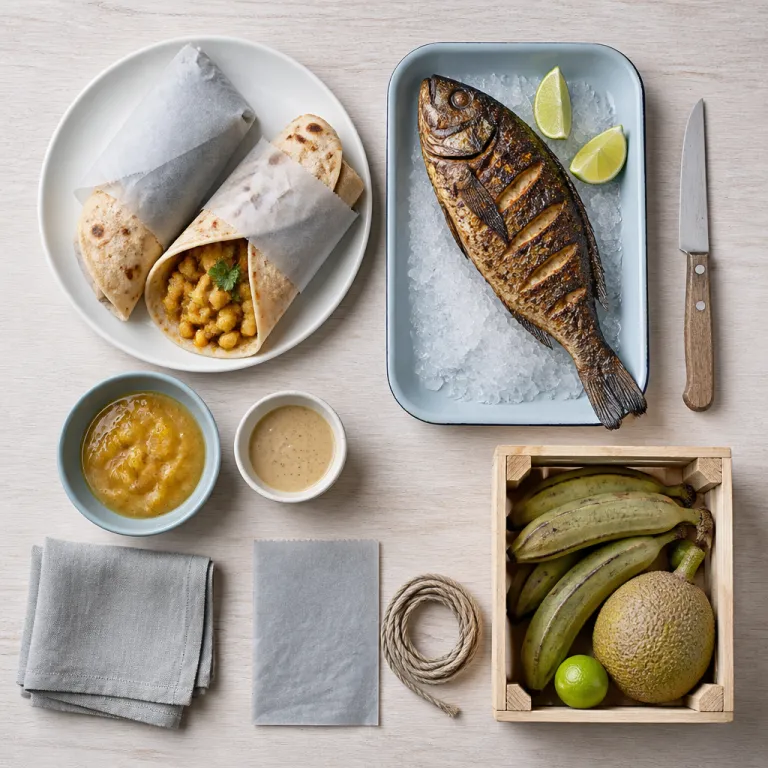
Rotis here are not imported from Guatemala or Antigua Guatemala, but they share the same comfort factor as guatemalan dishes eaten on a busy street in San Pedro or near Guatemala’s mercado central. Expect soft flatbread wrapped around curried chicken, goat or vegetables, sometimes with a side of sweet plantain that feels almost like dessert. The best versions are made to order, so be prepared to wait while the cook works through a line of regulars who know exactly what they want.
In villages inland, look for weekend pots of pepperpot, souse and other traditional guatemalan influenced stews simmering outside small shops Antigua residents use for everything from phone credit to cold drinks. Ask what is on today rather than demanding a menu, and you will usually be guided toward one or two good dishes that are still hot. This is where you understand that the best places are not always formal restaurants Antigua promotes, but the humble restaurant counters where local food is cooked slowly and served fast.
Beach bars, fish shacks and the catch that was swimming at sunrise
On Antigua’s coast, the most memorable local food Antigua where to eat is often found where the sand meets the road. Beach bars and fish shacks cluster near working docks, not just in manicured resort zones, and the difference is obvious the moment you see the grill. Here, the fisherman who landed the snapper or mahi mahi at dawn might be the same person seasoning it with lime and herbs by noon.
Order grilled fish with rice and peas, a side of corn tortillas if they are offered and maybe a small salad, then claim a table under a tree or a simple awning. The luxury is in the timing ; you are eating fish that was in the water a few hours earlier, not something pulled from a freezer. These are not the best restaurants in the conventional sense, but they are the best places to understand why Antiguans are loyal to their favourite beach bar or dockside restaurant.
Many of these spots double as informal rum shops, where the lime – the social gathering, not the citrus – runs from late afternoon into the evening. If you are planning a romantic stay or an Antigua honeymoon beyond the beach suite, pairing a sunset swim with grilled fish off the dock can feel more special than any plated hotel dinner. For a deeper dive into how local rum culture shapes the island’s hospitality, guides to Antigua’s rum distilleries and the beach bar that pours its own blend show how seriously this small island takes its spirits.
Rum shops, limes and how to blend in when you order
Rum shops are the social engine of many Caribbean islands, and Antigua is no exception. These are not polished cocktail bars, but small rooms or verandas where a fridge, a counter and a few stools are all that is needed for a good lime. If you are curious about local food Antigua where to eat and drink in the same place, a rum shop with a grill or pot outside is a perfect starting point.
Ordering is simple, but there is etiquette. Greet the bar staff and the room, ask what is good today and listen to the answer, because the best dishes are often whatever is on the stove rather than a printed list. You might be steered toward fried chicken, a plate of rice and peas or a small portion of stewed meat that tastes far better than it looks in the pot.
When it comes to drinks, local beer and basic rum with a chaser are the default choices, not elaborate cocktails. If you want to understand the culture behind that glass, a detailed guide to Antigua’s rum distilleries from English Harbour Rum to the beach bar that pours its own blend explains how production and everyday drinking intersect. Sit, sip slowly, and you will see why these modest bars feel like the best places eat for conversation as much as for food.
From hotel suite to street food: weaving local flavours into a luxury stay
Staying in a luxury or premium hotel in Antigua does not mean you are confined to resort restaurants. The smartest properties now understand that guests asking about local food Antigua where to eat want more than themed buffets and imported menus. Many concierges can arrange a guided food tour that starts at St John’s market, continues through roadside stalls and ends at a beach bar where the grill is still smoking.
If your hotel has a strong culinary programme, ask whether the chef runs collaborations with local cooks or brings in guatemalan or traditional guatemalan techniques for special guatemalan dishes nights. Some kitchens quietly source herbs and vegetables from the same suppliers who serve small restaurants Antigua residents love, blurring the line between fine dining and street food. Reading in depth chef interviews and features on culinary excellence in Antigua’s hotels can help you choose a property where the restaurant is as interesting as the room.
Between formal meals, use your hotel as a base rather than a bubble. Take a taxi into town for breakfast at a simple café, grab street food for lunch and return to your suite for a swim before heading out again for a dockside dinner. That rhythm – alternating polished service with plastic chairs and paper napkins – is where a luxury stay starts to feel anchored in the real Antigua.
Practical tips: cash, timing and not looking like you just left the lobby
Eating where Antiguans eat is not complicated, but a few details help. Cash is still king at markets, rum shops and many roadside food Antigua stalls, so carry small bills in Eastern Caribbean dollars rather than relying on cards. Prices are usually fair and posted, but if they are not, ask the cost before you order and you will avoid awkwardness later.
Timing matters almost as much as location. St John’s market is at its best early on Saturday, while many street food stalls and small restaurant counters sell out by mid afternoon. Beach bars near working docks often peak just after the boats come in, when the day’s catch turns into grilled fish, conch fritters or other local food that rarely appears on hotel menus.
To avoid looking like you just stepped out of the lobby, dress simply, be patient and follow the local rhythm. Do not photograph every plate before you eat, and do not complain if a dish takes time ; good chicken cooked to order is worth the wait. If you are unsure what to try, say you are new to Antigua and ask what they would serve a friend – it is the fastest way to be steered toward the best places eat in any neighbourhood.
Key figures on food, markets and tourism in Antigua
- According to the Antigua and Barbuda Tourism Authority, over 60 percent of visitors report trying local street food or market dishes during their stay, showing strong interest in authentic eating experiences beyond hotel restaurants.
- Data from the Caribbean Tourism Organization indicates that food and beverage spending accounts for roughly 30 percent of total visitor expenditure in many Eastern Caribbean islands, underlining how important local food is to the overall travel budget.
- Regional agricultural reports note that Antigua imports a significant share of its food, yet small farmers and fishers still supply a large proportion of fresh produce and seafood to local markets and roadside vendors, keeping traditional dishes central to daily life.
- Surveys of independent travelers in the Caribbean show that more than half of respondents rank “eating where locals eat” as one of the top three reasons to leave their resort area during a trip.
FAQ about eating like a local in Antigua
Is it safe to eat street food and market dishes in Antigua ?
Street food and market dishes in Antigua are generally safe if you follow basic common sense. Choose stalls with a steady line of local customers, where food is cooked hot and served quickly. Avoid anything that looks as if it has been sitting out too long in the sun.
How much cash should I carry for local meals ?
For a day of eating at markets, roadside stalls and simple restaurants, the equivalent of 40 to 60 US dollars in Eastern Caribbean dollars is usually enough. Individual meals at local spots are often far cheaper than hotel restaurants. Always carry small bills, as many vendors cannot change large notes.
What are the must try traditional dishes in Antigua ?
Saltfish and chop up, pepperpot, ducana and grilled fish with rice and peas are among the most emblematic dishes. You will find them at St John’s market, small village eateries and beach shacks near working docks. Ask vendors what is cooked fresh that day and follow their lead.
Can my hotel help me find authentic local food ?
Many luxury and premium hotels in Antigua now work closely with local guides, markets and small restaurants. Concierges can often arrange food tours, market visits or taxi runs to trusted roadside spots. When you check in, say clearly that you want to eat where locals eat, not only in hotel venues.
Do I need to tip at markets, rum shops and small eateries ?
Tipping practices are relaxed but appreciated. At very small stalls and market counters, rounding up the bill or leaving a small extra amount is enough. In simple restaurants and rum shops with table service, a tip of around 10 percent is considered polite if service is friendly and attentive.