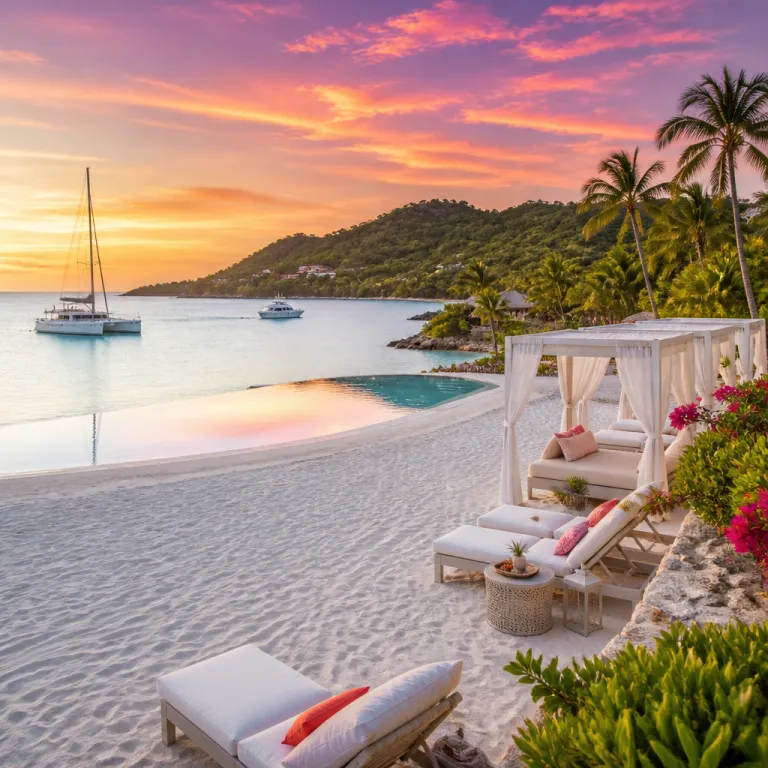
Reading the weather in Antigua in January for luxury stays
Weather in Antigua in January quietly shapes every luxury stay on the island. When you plan a premium escape, understanding Antigua’s climate patterns helps you secure the best time to visit and the most suitable room category. For high end travellers, January conditions in Antigua and Barbuda influence everything from flight timing and yacht charters to spa appointments and private dining.
During this dry season month, the average temperature in Antigua hovers around 28 °C by day. Antigua Meteorological Services reports an Average High Temperature of 28.3 °C and an Average Low Temperature of 22.4 °C for January (based on recent 30‑year climate normals), which means afternoons feel warm while evenings remain comfortably mild for open air dining. These stable Caribbean temperatures make January and February one of the best time windows for guests who dislike the heavier humidity of August–September or the wetter spells of October–November.
Rainfall still matters for luxury travellers who value uninterrupted beach time. Official data from Antigua Meteorological Services shows an average rainfall of about 57 mm spread across roughly 11 days in January, so most days in Antigua and Barbuda stay bright with generous sunshine hours between short showers. Compared with the wetter season from August to October, this mid‑winter period brings fewer rainy days and more predictable sunshine, which is ideal when you reserve private yacht charters or helicopter transfers between Antigua and Barbuda.
Wind and sea conditions also influence how you choose your resort. On the Caribbean side of the island, January usually means calmer seas and gentler breezes, perfect for paddleboarding straight from a hotel beach. Along the Atlantic coast of Antigua, the same month can bring livelier waves and stronger trade winds, which many guests regard as the best time for kitesurfing lessons arranged through luxury concierges.
For premium hotel booking, the time you visit in January affects availability more than comfort. Early in the month, the climate remains slightly cooler and many suites are still blocked by festive season reservations made the previous year. By late January, the average temperatures rise a fraction, crowds thin, and it becomes a more flexible time to visit for last minute upgrades and extended stays.
How January weather shapes Antigua’s luxury beach and island experiences
On Antigua’s famed beaches, January conditions define the rhythm of each day for discerning guests. Soft morning light, gentle Caribbean temperatures, and long sunshine hours invite early swims before breakfast on a shaded terrace. As the day warms, the average temperature remains comfortable enough that premium resorts can host champagne picnics directly on the sand without guests retreating indoors.
Because January sits firmly in the dry season, the average rainfall is low enough that hotel concierges confidently schedule open air events. Many luxury properties design curated experiences that rely on predictable skies, such as private cinema nights on the beach or chef’s table dinners set on a pier above the water. When a brief shower does pass, it usually lasts only a few minutes, and staff simply adjust the time you visit the shoreline or pool deck by a short margin.
For travellers comparing different times of the year, January and February offer a more temperate climate than June–July or July–August, when humidity and heat can feel heavier. Guests who prefer slightly warmer seas sometimes choose March–April, yet they often return in January for the balance between comfortable day temperatures and cool sleeping conditions at night. Those who enjoy quieter resorts sometimes look at September–October, but they must weigh that against the higher chance of unsettled weather during that part of the year.
Luxury travellers planning activities beyond the beach should also consider how January patterns support excursions. Clear skies and stable winds make it an excellent time to visit historic English Harbour by yacht or to arrange a helicopter tour over the island’s green interior. One long standing concierge at a five star resort notes that “January is when we can confidently plan full day itineraries outdoors, from sunrise yoga to sunset cruises, with very few weather surprises.”
On Barbuda, January weather mirrors Antigua’s pattern, with similar average temperatures and rainfall. The island’s long pink sand beach feels particularly serene in this month, when the Caribbean sun is strong but not oppressive and the sea remains clear for snorkelling. Because Barbuda has fewer hotels, the best time to visit often depends on when you can align limited room inventory with the most favourable January forecasts.
For guests who value wellness, the season’s climate supports outdoor yoga, cliffside meditation, and spa treatments in open pavilions. Therapists often schedule more vigorous sessions during the cooler morning hours, then reserve late afternoon for gentle massages timed to the softer light of the day. This thoughtful alignment between Antigua’s climate and service design is one reason January remains such a prized month for premium retreats.
Choosing the right luxury hotel zones in Antigua and Barbuda for January
Weather in Antigua in January is broadly consistent across the island, yet microclimates still influence which luxury hotel zone suits you best. On the sheltered west coast, the Caribbean Sea moderates temperatures and keeps many days calm, which appeals to guests who prioritise tranquil swimming and long beach walks. The east and south coasts feel slightly breezier, offering a different character that some travellers regard as the best time visit choice for sailing and wind sports.
St. John’s and its nearby resorts benefit from easy access to the port while still enjoying classic dry‑season conditions. Here, the average temperature supports relaxed days of shopping, gallery visits, and harbourfront lunches without the intensity of the hotter June–July period. High end hotels in this area often design flexible itineraries that move guests between city and beach depending on the day’s sunshine hours and short lived showers.
Along the southwest coast, where many of Antigua’s most exclusive properties sit on secluded coves, January weather creates a particularly indulgent atmosphere. Calm mornings with low average rainfall allow for private boat transfers, while slightly cooler evenings encourage al fresco tasting menus under the stars. For honeymooners, this combination of climate and privacy makes January and February one of the best time windows to reserve elevated suites and villas.
On the Atlantic side, near Half Moon Bay and other dramatic stretches of coast, the season’s trade winds are more noticeable. Guests who enjoy dynamic seas often choose this area, accepting a little more breeze in exchange for spectacular wave views and refreshing air throughout the day. Luxury concierges here pay close attention to local forecasts, timing beach setups and cliffside lunches to the most comfortable hours.
For couples planning a romantic escape, many planners compare January conditions with later months such as March–April or April–June. While those later months can also be appealing, January offers the advantage of cooler nights, which pairs beautifully with private plunge pools and outdoor soaking tubs. To understand how climate and experience intersect, some travellers consult in depth guides to honeymoon experiences that set this island apart before finalising their preferred coast.
Barbuda’s luxury stays, though fewer, are strongly shaped by the same January weather patterns. The island’s long, open beach benefits from steady breezes that keep the average temperature feeling slightly cooler than the raw numbers suggest. For guests who value seclusion, the best time to visit Barbuda often aligns with Antigua’s dry‑season peak, when sea conditions favour boat transfers and the days remain long and bright.
Comparing January with other months for high end bookings
When you evaluate weather in Antigua in January against other months, patterns emerge that matter for luxury planning. Compared with December, this mid‑winter period usually brings slightly warmer sea temperatures while maintaining similar levels of average rainfall. This makes January a particularly attractive time to visit if you enjoy frequent swimming but still want the crisp evenings that suit fine dining outdoors.
Moving later into the year, February–March often feels marginally warmer and a touch drier, which some guests appreciate for extended beach days. However, the difference in average temperature between January and February–March is small enough that service quality, not climate, usually becomes the deciding factor. By March–April, the island begins to transition toward the warmer part of the season, and some travellers who are sensitive to heat prefer the gentler January conditions.
From April–June, the Caribbean gradually shifts toward higher humidity, though this shoulder period can still be a pleasant time to visit Antigua and Barbuda for those who enjoy lush landscapes. During June–July and July–August, the combination of higher temperatures and increased rainfall creates a more intense climate, which may not suit every luxury traveller. Families tied to school holidays often accept this trade off, yet many couples and solo guests deliberately choose January–February instead for more comfortable days and cooler nights.
Later in the year, August–September and September–October bring a higher probability of unsettled weather, even if many days remain beautiful. Some premium hotels respond by adjusting rates, which can make these months appealing for value focused guests who are flexible about sunshine hours. For a detailed look at how pricing and climate interact, travellers often consult analyses of why September can be a smart month to book while still comparing those conditions with the more stable mid‑winter weather.
October–November usually marks a transition toward the drier season again, yet showers can still be more frequent than in January. Guests who prioritise guaranteed beach days and uninterrupted outdoor events often regard the first month of the year as the best time visit window, especially for weddings and milestone celebrations. When you compare the full year, January consistently offers one of the most balanced combinations of temperature, rainfall, and daylight for luxury travel.
For repeat visitors, the decision often comes down to personal rhythm rather than raw climate data. Some prefer the softer light and quieter ambience of December, while others love the slightly warmer seas of March–April. Many, however, return in January because the month reliably delivers comfortable days, cool evenings, and a calm atmosphere that suits refined, unhurried stays.
Practical planning: packing, activities, and daily rhythm in January
Understanding the practical side of weather in Antigua in January helps you pack intelligently for a luxury stay. With an average temperature in the high twenties during the day and low twenties at night, light resort wear works for most situations. Pack breathable fabrics for daytime, a light layer for breezier evenings, and elegant yet comfortable footwear for walking between suites, pools, and restaurants.
Because January sits in the drier season, many travellers underestimate the need for a compact rain jacket. Short showers still occur on some days, and carrying a stylish waterproof layer allows you to continue moving between spa, beach, and yacht without disruption. Antigua Meteorological Services advises visitors to “Pack light clothing”, “Carry a rain jacket”, and “Use sunscreen”, guidance that aligns perfectly with the needs of high end guests who spend long hours outdoors.
Sun protection is essential, as the Caribbean light remains strong even when clouds drift through. Choose high quality sunscreen, wide brimmed hats, and UV protective sunglasses, especially if you plan to visit Antigua’s beaches for several hours each day. Many luxury hotels provide complimentary sun care products in suites, yet frequent swimmers often prefer to bring their own preferred brands.
Daily rhythm also shifts with the season’s climate. Mornings, when temperatures are closest to the nightly average, are ideal for more active pursuits such as hiking to Shirley Heights or playing tennis on resort courts. As the day warms, guests often transition to gentler activities like spa treatments, shaded reading, or leisurely lunches overlooking the Caribbean Sea.
Afternoons in Antigua and Barbuda during January remain warm but not oppressive, which suits relaxed sailing trips and coastal drives. Many concierges schedule private boat charters to coincide with the most generous sunshine hours, then time returns for golden hour cocktails on the beach. Evenings cool pleasantly, allowing for open air concerts, garden dinners, and stargazing sessions without the heavier humidity of August–September.
For travellers planning multi island itineraries, similar packing principles apply when you add Barbuda to your route. The island shares Antigua’s January weather profile, with comparable average rainfall and temperatures, so your wardrobe can remain streamlined. This consistency across islands makes this period one of the best time visit windows for guests who value both comfort and simplicity in their travel planning.
Aligning January weather with luxury booking strategy
Weather in Antigua in January does more than shape your daily comfort; it also influences how you should approach booking premium hotels. Because this month falls in the heart of the dry season, many travellers regard it as the best time to visit, which increases demand for top tier suites and villas. To secure preferred room categories, it is wise to reserve several months in advance, especially for stays that include public holidays or major events.
From a strategic perspective, understanding Antigua’s climate patterns across the year helps you identify value pockets within January itself. Early in the month, when festive season demand remains high, nightly rates often reflect peak season pricing. By the later weeks, as the average temperature rises slightly and crowds thin, some properties quietly release more flexible offers while the mid‑winter weather remains just as appealing.
Luxury travellers who are flexible with exact dates can use climate data to refine their time visit choices. For example, if you prioritise the lowest chance of rain, you might compare January statistics with those for February–March, then balance that against your preferred level of resort activity. If you value slightly warmer seas and do not mind a touch more humidity, March–April or April–June could also enter the conversation, though many still return to January for its equilibrium.
When planning complex itineraries that combine Antigua and Barbuda, weather considerations extend to transport logistics. Calm seas and predictable sunshine hours in January make boat transfers more comfortable and reliable, which is important when you connect private charters with fixed check in times. Helicopter transfers also benefit from the season’s generally clear skies, allowing for scenic routes that showcase the island’s coastline.
For event planners organising weddings or corporate retreats, January conditions offer a strong foundation for outdoor programming. Low average rainfall and comfortable day temperatures allow you to schedule ceremonies, receptions, and breakout sessions in gardens, on terraces, or directly on the beach. Many planners still build contingency plans, yet the probability of needing them is lower than during wetter months such as August–September or October–November.
Finally, aligning your booking strategy with climate data reinforces a sense of control and ease throughout the trip. When you know that January in Antigua typically brings warm days, mild nights, and manageable rainfall, you can focus on selecting the right property style, service level, and experiences. This thoughtful approach turns weather from a variable into an asset, enhancing every aspect of your luxury stay in Antigua and Barbuda.
Key statistics on Antigua’s January weather for luxury travellers
| January climate indicator | Typical value (Antigua) | Source / notes |
|---|---|---|
| Average daytime high air temperature | 28.3 °C | Antigua Meteorological Services, 30‑year climate normals |
| Average nighttime low air temperature | 22.4 °C | Antigua Meteorological Services, 30‑year climate normals |
| Average monthly rainfall | ~57 mm over ~11 days | Antigua Meteorological Services, January mean |
| Typical sea surface temperature | 26–27 °C | Regional Caribbean climatology, January range |
| Prevailing wind | NE trade winds, often 15–20 km/h | More sheltered on west coast, breezier on Atlantic side |
- Average daytime high temperature in Antigua during January is about 28.3 °C, according to Antigua Meteorological Services, which supports comfortable beach and pool activities throughout the day.
- Average nighttime low temperature in January is around 22.4 °C, allowing most guests to sleep comfortably with light bedding and enjoy open air dining without feeling cold.
- Average rainfall in Antigua in January is approximately 57 mm spread over about 11 days, meaning most days remain dry or experience only brief showers.
- Compared with the wetter months of August and September, January typically records significantly lower rainfall, which reduces the likelihood of weather related disruptions to outdoor events.
- Tourism and agriculture in Antigua and Barbuda both rely on predictable weather patterns, and the stable conditions in January support strong performance in both sectors.
FAQ about Antigua’s January weather and luxury hotel bookings
Is January a good time to visit Antigua for a luxury holiday ?
Is January a good time to visit Antigua? Yes, January offers warm temperatures and moderate rainfall. For luxury travellers, this means reliable beach weather, comfortable evenings for fine dining outdoors, and generally calm sea conditions for yacht charters and boat transfers.
What should I pack for Antigua in January when staying at a premium hotel ?
What should I pack for Antigua in January? Light clothing, rain jacket, and sunscreen. In practice, this translates to breathable resort wear, a stylish lightweight waterproof layer for brief showers, and high quality sun protection, plus one or two smarter outfits for gourmet dinners and cocktail bars.
How much does it rain in Antigua in January, and will it affect my plans ?
How much does it rain in Antigua in January? Approximately 57 mm over 11 days. Showers are usually short, so luxury hotels can adjust activity timings easily, and most guests still enjoy many uninterrupted hours on the beach or by the pool each day.
Are sea conditions in January suitable for yacht charters and water sports ?
Sea conditions around Antigua and Barbuda in January are generally favourable for yachting, snorkelling, and paddleboarding. The Caribbean side of the island tends to be calmer, while the Atlantic side can be breezier, so concierges often tailor water based activities to the most suitable coast on any given day.
How does January compare with other months for luxury hotel rates ?
January falls within the high season, so rates at many premium hotels are higher than in shoulder months such as October–November or April–June. However, the later part of January sometimes offers slightly more flexibility and value than the festive period, while still providing some of the most comfortable weather of the year.